What if your next wedding, retreat, or celebration felt like you had an entire resort to yourself, without strangers nearby or competing events on the calendar? If you want true privacy and a one‑of‑a‑kind setting in Riverside County, a private estate venue can deliver it. You may be weighing hotels or standard vacation rentals, and it is not always clear what sets an estate apart. In this guide, you will learn what private estate venues offer in the Coachella Valley, how they differ from other options, what to expect with permits and logistics, and how to plan with confidence. Let’s dive in.
What is a private estate venue?
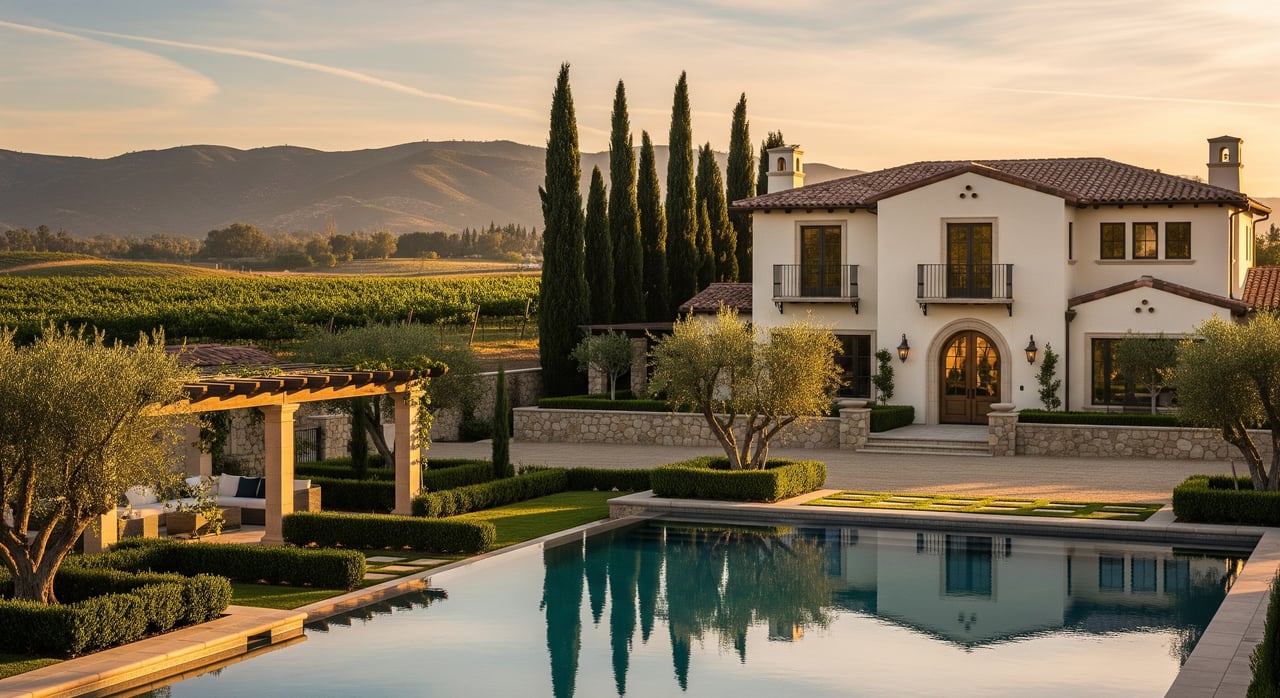
A private estate venue is a single, privately owned property designed to host events for one group at a time. These estates often include significant acreage, multiple structures like a main house and guest casitas, and purpose‑built event spaces. You will also find amenities such as private lakes or ponds, equestrian or polo facilities, pools, and permanent ceremony or reception areas.
Unlike a typical short‑term rental, the focus is on hosting curated events with professional support. Many estates operate with a concierge or house manager, event staff, and vetted vendors so your experience feels fully managed rather than DIY.
How estates differ from hotels and rentals
- Exclusivity and privacy: You rent the entire property for your group, so there are no shared lobbies or public spaces with other guests.
- Scale and layout flexibility: Large lawns and multiple buildings enable custom floor plans, distinct zones for ceremony, cocktails, dinner, and after‑party, and smoother guest flow.
- On‑site amenities: Features like private lakes, polo fields, vineyards, or event barns are more common at estates than at hotels or standard vacation rentals.
- Vendor flexibility: Many estates allow outside caterers, tenting, and production rigs. Some may require approved vendors or set operating limits, so always confirm policies early.
- Staffing and concierge: Dedicated management and hospitality teams coordinate timelines, security, transportation, and deliveries so you can focus on your guests.
- Integrated lodging: With multiple bedrooms and guest houses, you can keep VIPs or even your full party on site. Hotels offer more rooms overall, but estates give you private common areas.
For events in the Coachella Valley, these differences matter. The region’s desert scenery, equestrian culture, and festival energy pair naturally with the privacy, customization, and production capability of a large estate.
Signature features in the Coachella Valley
Physical features to look for
- Large acreage: Several to dozens of acres allow multiple event sites, ample parking or shuttle staging, and room for production.
- Private water features: Man‑made lakes or ponds and irrigated gardens create a desert‑oasis feel, often with mountain views.
- Polo and equestrian facilities: Stables, a polo field, or riding arenas can elevate the setting and add unique programming.
- Multiple guest structures: A main villa plus guest houses or casitas supports VIP lodging and multi‑day flow.
- Event infrastructure: Permanent ceremony sites, built stages, outdoor lighting, and commercial kitchens or catering prep spaces reduce rentals and setup time.
- Production capacity: Space and power access for staging, sound, lighting, and generators support concerts, corporate AV, and robust receptions.
Services that shape your experience
- On‑site concierge or house manager: Coordinates vendors, deliveries, permitting checkpoints, and neighbor communication.
- Preferred vendor network: Vetted caterers, rental suppliers, transportation, and security teams familiar with the property.
- Full‑service staffing: Hospitality teams, valets, grounds, and security aligned to your guest count and schedule.
- Privacy and customization: Clear perimeters, controlled access, and flexible layouts to match your vision.
- Integrated lodging: Fewer off‑site transfers and easier late‑night timelines when more guests sleep on property.
Seasonality and climate
- Comfort window: Outdoor events typically shine from October through April when temperatures are milder.
- Daylight and wind: Strong sun and desert winds influence ceremony timing, tenting strategy, and AV design.
- Water considerations: Regional water guidelines can affect decorative water features and irrigation. Confirm any restrictions during planning.
Guest experiences you can create
- Poolside or lakeside receptions at dusk with mountain silhouettes and warm ambient lighting.
- Polo or riding demonstrations that bring equestrian culture to life for your guests.
- Private concerts or lounge activations inspired by the local festival scene, complete with professional sound and lighting.
- Corporate retreats that spread across a villa, suites, and outdoor breakout areas for relaxed yet productive sessions.
These experiences feel different on an estate because you control the entire environment, from staging and sound checks to quiet hours and guest privacy.
Permits, safety, and logistics in Riverside County
Private estate events often require approvals. Requirements vary by location, size, and scope, so confirm details early with the property and local agencies.
- Zoning and event permits: Depending on the jurisdiction, you may need a Temporary Use Permit or Conditional Use Permit. Coordinate with the Riverside County Planning Department or the relevant city planning office where the property sits.
- Health and food service: Large food operations and temporary kitchens may require permits or inspections from the Riverside County Department of Environmental Health or local health agencies.
- Fire and life safety: Expect fire safety plans, tent permits, designated fire lanes, and inspection requirements from the Riverside County Fire Department or local fire district. Open flames and pyrotechnics are often restricted.
- Noise and curfews: Rules vary by city and neighborhood. Plan for amplified sound limits and set end times.
- Parking and traffic: Larger events may need parking plans, off‑site shuttles, and traffic control in coordination with local authorities.
- Water and landscape: The Coachella Valley Water District may set irrigation and decorative water feature guidelines, especially during drought periods.
- Insurance and indemnity: Most estates require general liability insurance, additional insured endorsements, and liquor liability if serving alcohol.
- ADA access: Make sure both permanent and temporary event spaces include accessible routes, seating, and restrooms.
Operational planning should also cover sanitation station counts, power distribution and generators, emergency action plans, hydration and shade for hot weather, and respectful neighbor communication. Many permits take weeks or longer, so start early and ask the venue for an event packet that outlines requirements, timelines, and vendor rules.
The practical planning checklist
Use this high‑level checklist to speed up due diligence and avoid surprises.
Site and scope
- Confirm maximum guest capacity and parking plan.
- Verify on‑site lodging counts and nearby hotel options for overflow.
- Ask about ADA routes and restroom availability.
- Review a property map that shows event zones, vendor staging, and backup indoor options.
Permits and insurance
- Identify which permits the venue secures and which you must obtain.
- Confirm liability insurance limits and additional insured requirements.
- Check local noise rules and any sound permit needs.
Infrastructure and operations
- Verify on‑site power capacity and generator policies.
- Plan potable water access, portable toilet counts, and waste removal.
- Define shuttle or valet operations and ride‑share drop zones.
- Align security staffing and access control with guest count.
- Confirm alcohol service policies and liquor liability coverage.
Vendors, production, and timing
- Request preferred or required vendor lists for catering, tenting, AV, and rentals.
- Lock vendor load‑in and strike windows to match permit conditions.
- Document stage sizes, rigging needs, and sound limitations.
Climate and schedule
- Favor October through April for outdoor comfort.
- Build contingencies for wind, heat, and rare heavy rain.
Communications
- Create a written event operations plan that outlines responsibilities for the owner, your team, and vendors.
- Keep a contact list for the property manager, relevant county or city offices, and emergency services.
- Coordinate neighbor notices when appropriate.
Budget items beyond the venue fee
- Permit and inspection fees.
- Insurance premiums and certificate processing.
- Generator rentals, restroom trailers, and water or waste hauling.
- Shuttle services, valet, and additional staffing.
- Security, EMS standby, and production crew.
Why estates suit Riverside County events
Riverside County’s Coachella Valley offers dramatic desert backdrops, wide skies, and a strong event culture. Private estates tap into that setting with privacy, flexible layouts, and built‑in production capacity. You can combine ceremony lawns, lakeside lounges, and polo‑field receptions within one property, then adjust the timeline to the sun, wind, and sound rules on your terms.
For weddings, that means a multi‑day celebration where rehearsal dinner, ceremony, and farewell brunch all live in one place. For corporate retreats, it means board sessions in the villa, outdoor breakouts across the grounds, and brand moments that feel immersive rather than generic.
How Cavallo Ranch supports your vision
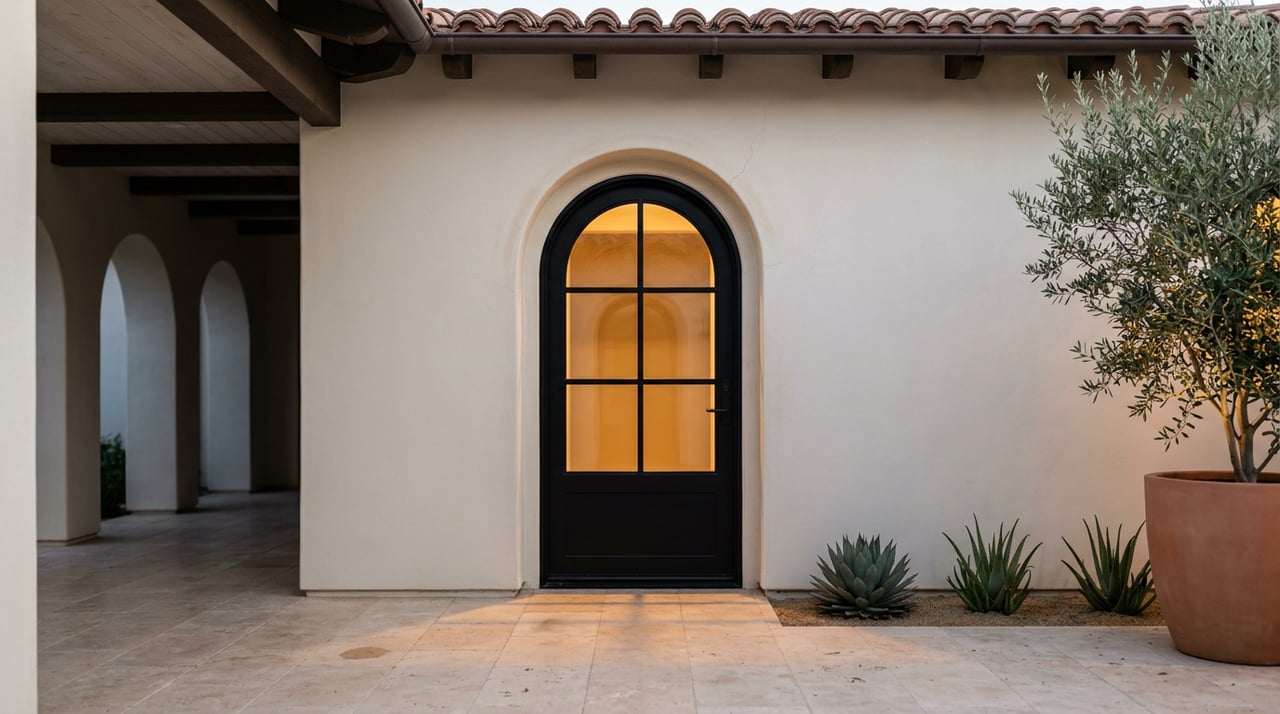
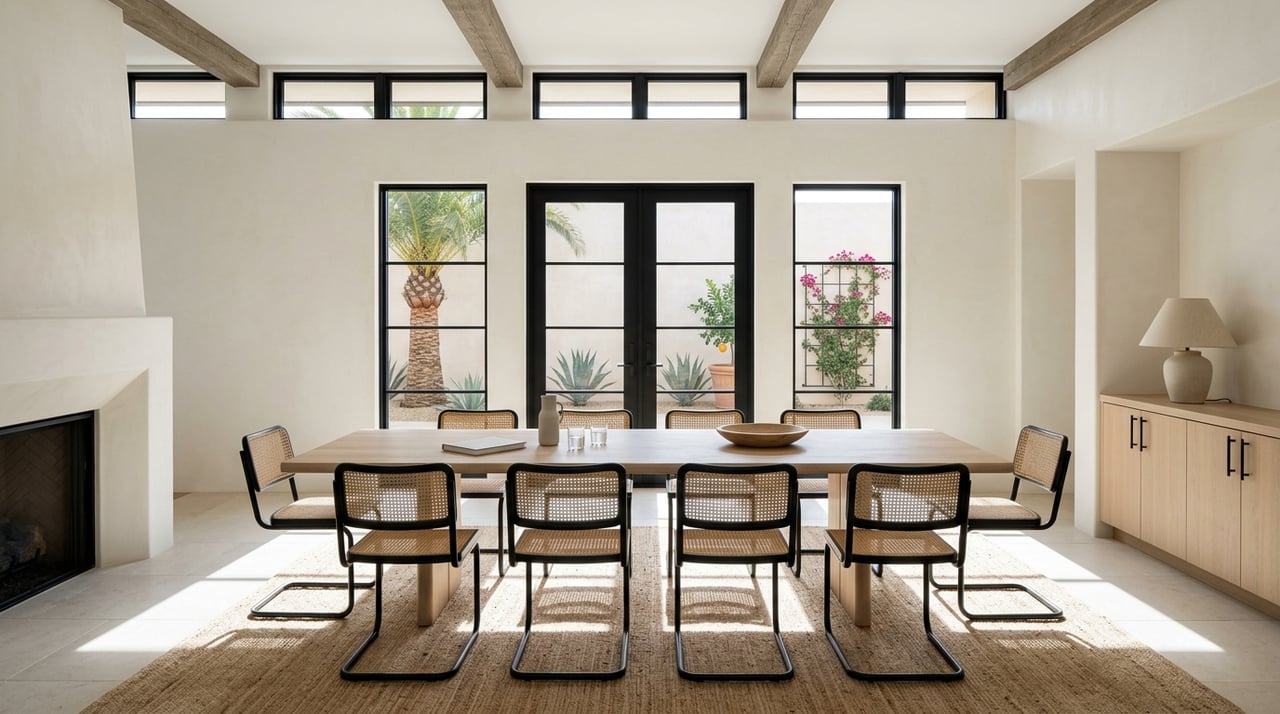
If you are looking for a professionally managed estate in the Thermal, Indio, and La Quinta area, Cavallo Ranch blends boutique‑hotel service with venue‑level capability. Set on a gated 20‑acre ranch, the property centers on an 8,500‑square‑foot villa with eight hotel‑style bedrooms and expansive indoor‑outdoor flow.
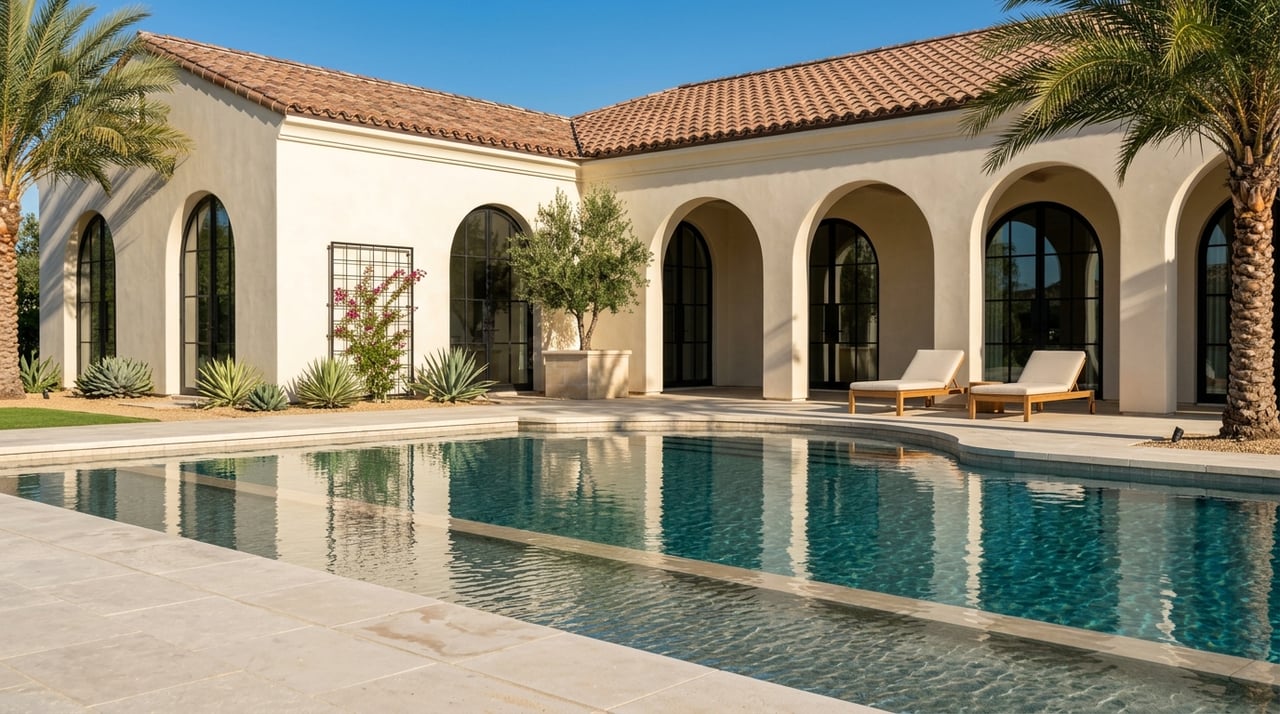
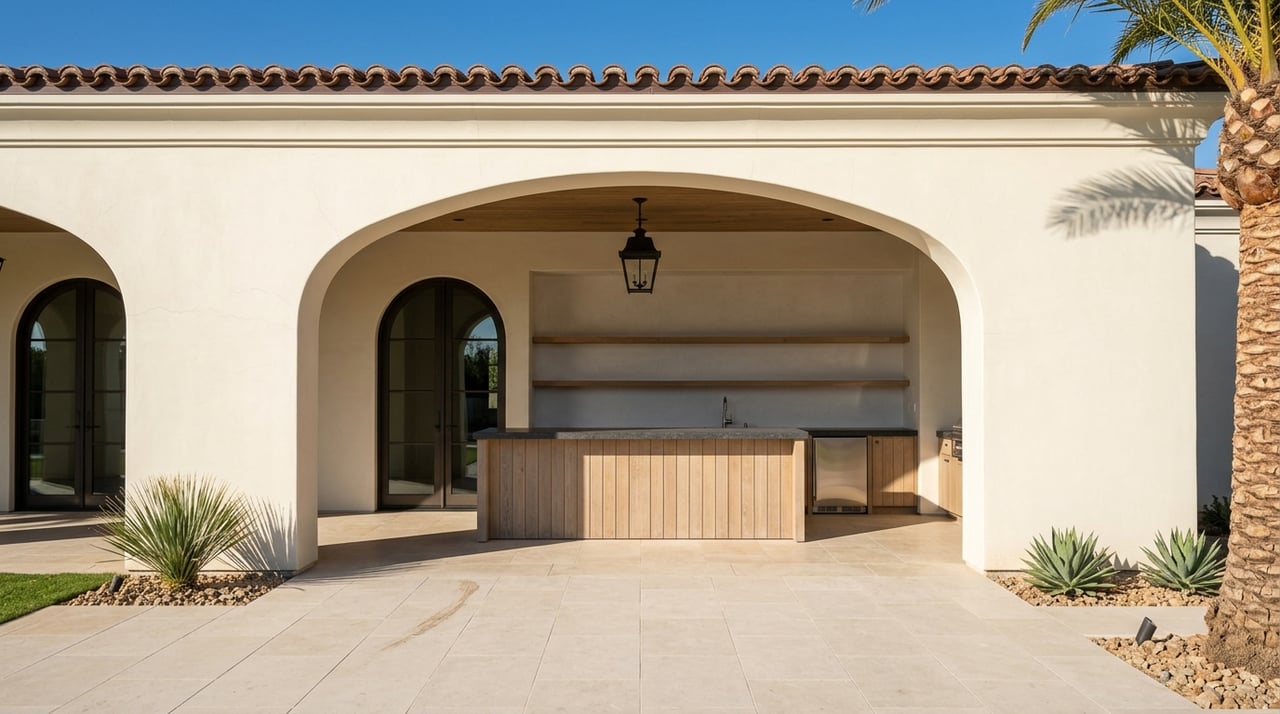
On the grounds, you will find a man‑made swim lake, a saltwater pool, a 4‑acre polo field, sports courts, an outdoor kitchen and bar, and curated gathering spaces like the Great Room, a Steinway piano, and the Polo Bar. The operations team includes an on‑site concierge and in‑house culinary support, with premium add‑ons such as private chefs, butlers, polo instruction, and wellness services. The estate is designed for multi‑night group stays, weddings, corporate retreats, and festival‑season activations, with production readiness that simplifies larger builds and branded experiences.
In short, you get privacy, capacity, and a managed environment that helps you execute with confidence.
Ready to explore a private estate for your event or group stay in Riverside County? Plan your next gathering with the concierge team at Cavallo Ranch.
FAQs
What is a private estate venue in Riverside County?
- A private estate venue is a single, privately owned property reserved for your group, often with large acreage, multiple structures, and event‑grade amenities like lakes, polo fields, and dedicated ceremony sites.
How do permits work for private estate events in Indio or Thermal?
- Depending on scope and location, you may need Temporary or Conditional Use Permits, fire approvals, and health permits; confirm the venue’s process and start early since reviews can take weeks.
When is the best season for an outdoor estate event in the Coachella Valley?
- Most hosts target October through April for milder temperatures and comfortable outdoor timelines, with tenting and shade strategies for sun and wind.
What amenities can I expect at a Coachella Valley estate venue?
- Common features include large lawns, pools or lakes, multiple guest houses, event lighting, catering prep areas, and power access for AV and staging.
Can I bring my own caterer and production team to an estate venue?
- Many estates allow outside vendors or maintain preferred lists; confirm any required vendors, load‑in windows, and sound or rigging limits before booking.
How many guests can stay on site at a private estate?
- Sleeping capacity varies by property; many estates offer a main house plus casitas or guest suites, so verify bedroom counts and nearby hotel options for overflow.
What should corporate planners consider for AV and power at an estate?
- Ask for on‑site power specs, approved generator use, stage dimensions, and sound guidelines, then align load‑in and testing windows with the permit conditions.