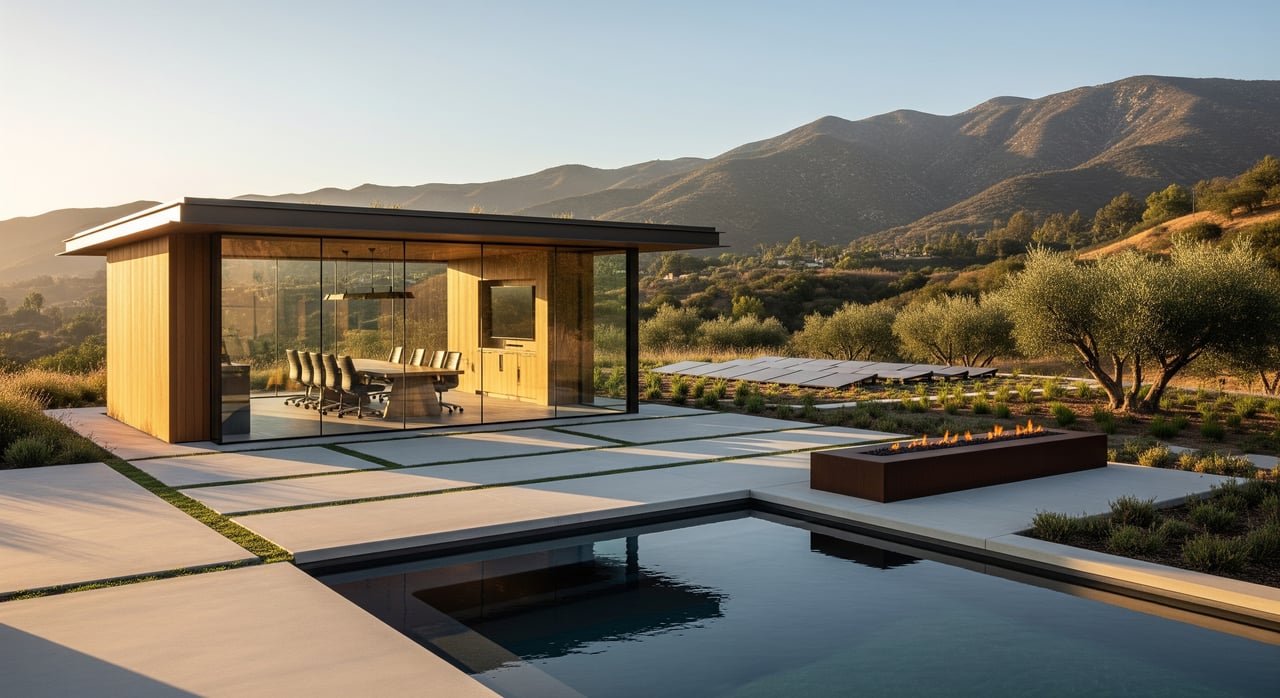
What if your next retreat actually moved the business forward, not just the mood? When you bring your team to the Coachella Valley in Riverside County, you can pair blue‑sky thinking with the literal big sky. You want clarity, connection, and a plan you can take back to the office. This guide walks you through timing, venue selection, agenda design, logistics, and on‑site experiences so your retreat feels thoughtful and runs smoothly. Let’s dive in.
Why Riverside County works
Easy access for SoCal teams
Riverside County stretches from suburban hubs in the west to the desert cities of the Coachella Valley in the east. For retreats centered on privacy and space, the Coachella Valley is the most common choice. You can fly into Palm Springs International Airport for the shortest transfer, or use Ontario or Los Angeles International if you need larger carriers. Plan for a 1 to 3 hour drive window depending on origin and traffic.
Climate and seasonality
The desert climate shapes your plan. Outdoor‑heavy retreats work best from October through May when days are mild and sunny. If you are considering summer dates, shift activities to early morning and evening, and prepare cooled shade structures with strong indoor options mid‑day. Keep an eye on water use, heat management, and potential air quality issues when you build your contingency plan.
Advantages of private estates
Private estates and ranch properties offer exclusive use, which reduces coordination and keeps your group focused. You avoid shared spaces, long elevator rides, and competing noise. Many estates provide on‑site lodging, flexible indoor and outdoor meeting areas, and unique activities like horseback rides, off‑road tours, pools, and fire pits. The tradeoff is that you will likely handle more permits, infrastructure checks, and event insurance than at a standard hotel.
Set clear objectives first
Define outcomes you can measure
Before you book a venue, write down 2 to 3 outcomes you expect from the retreat. Examples include a 90‑day roadmap, a shared set of team rituals, or manager training targets. These outcomes guide everything from room setup and seating to AV and materials. Clarity up front makes every downstream decision faster.
Match space to your goals
Strategy or roadmap work calls for bright, distraction‑free rooms with writable surfaces and reliable projection. Team building needs breakouts and breathers between sessions to let ideas land. Leadership development benefits from a mix of focused workshops and restorative activities that reinforce new skills. Your goals should dictate the balance of indoor and outdoor time and the number of breakout spaces.
Choose the right venue
Capacity and exclusive use
Confirm sleeping rooms, maximum daytime capacity, and the number and size of breakout spaces. Ask about exclusive‑use terms and what areas are reserved for your group. Request floor plans to map plenary sessions and small groups in advance. Verify parking capacity and where buses or vans can load and unload.
AV and connectivity
Do not accept “Wi‑Fi available” without details. Ask for committed upload and download speeds and whether wired connections are available for presenters or streaming. Confirm power access in each meeting zone and whether a backup generator is on site. If mobile coverage varies, plan for signal boosters or portable Wi‑Fi to protect your critical sessions.
Safety, permits, and insurance
Verify ADA access, emergency exits, and proximity to emergency services. Ask which permits are required for events, food service, alcohol, and open flames, and who is responsible for obtaining them. Many venues require a certificate of insurance naming the property and county with minimum liability limits. Review cancellation, force majeure, and damage deposit terms well before you sign.
Food and beverage
Confirm kitchen access or the venue’s preferred caterers, as well as dietary accommodations and service style. In the desert, you need vendors who are comfortable with outdoor service and heat precautions. Ask about liquor licenses and staffing for bar service. Plan hydration stations throughout the property, not just at meal times.
Noise rules and curfews
Local ordinances or HOA rules may limit amplified sound and evening activities. Get curfew times in writing and align your program accordingly. Quiet social options like stargazing or a fire pit circle can keep the evening relaxed and compliant. Build your schedule so the loudest moments happen earlier.
Build a balanced agenda
Use simple design principles
Alternate high‑focus sessions with movement or creative breaks to sustain energy. Keep sessions to 60 to 90 minutes with 10 to 20 minute breaks. Add a longer mid‑day window for rest or asynchronous work. Create simple rituals like a morning intention and a short evening reflection to reinforce learning.
Sample 2‑day agenda
- Day 0 evening: Check‑in, welcome reception, casual dinner with a light icebreaker.
- Day 1 morning: Coffee and morning intention, state of the business with Q&A, breakout session A.
- Day 1 afternoon: Working lunch, deep work or scenario planning, cross‑team synthesis and decisions, dinner with low‑stakes social time by a fire pit.
- Day 2 morning: Wellness activity like a guided hike or yoga, OKR or 90‑day roadmap workshop, action owners and resource alignment, lunch and departures.
Sample 3‑day flow
- Day 0: Arrival, welcome reception, small team dinners.
- Day 1: Alignment day with keynotes, metrics, and breakout work.
- Day 2: Skills and an experiential group activity that anchors your themes.
- Day 3: Integration day to synthesize outputs, assign owners, and set the post‑retreat plan.
Plan memorable activities
Outdoor and wellness options
Lean into the landscape with guided hikes, sunrise walks, desert photography, or horseback rides. Wellness blocks like yoga, breathwork, or spa time help teams reset and return to work with focus. Schedule outdoor activities during cooler hours from late fall to spring. In summer, keep wellness indoors or in cooled shade.
Creative and local experiences
Try a design sprint, an improv or music workshop, or sketching sessions that tune attention to detail. For off‑site options, consider Temecula wine country tastings or an evening exploring mid‑century architecture and galleries in the Palm Springs area. Build in unstructured time to let informal networking happen. Cap experiences with a simple reflection to link them back to your goals.
Risk and permits
Use licensed and insured vendors for any adventure activities. Secure permits if you plan to use public lands. Confirm safety briefings, waivers, and instructor ratios in advance. Align your schedule with daylight and heat conditions to reduce risk.
Lock logistics early
Lead times and seasonality
For private estates and ranches during peak desert season, aim to book 4 to 12 months out. Resorts and conference venues often need 3 to 9 months depending on group size and timing. Confirm AV, catering, and transportation vendors 60 to 120 days in advance. Earlier bookings give you better choices and pricing.
Internet and power redundancy
Request a site test or documented speed test for internet performance. For hybrid or high‑bandwidth needs, plan for wired connections and redundant service. Confirm backup power for critical AV and lighting. Test mobile coverage for major carriers and arrange boosters if needed.
Transportation plan
Decide between airport shuttles and individual transfers based on flight patterns. Map bus or van access and turnaround points on the property. Plan luggage handling and check‑in flow to reduce bottlenecks. Share a clear arrivals and departures guide with attendees one week before travel.
Budget with confidence
Your main cost drivers will be venue rental, lodging, catering, AV and internet, transportation, activities, on‑site staffing and security, and required permits and insurance. Build a per‑person, per‑day estimate that includes lodging, meals, meeting costs, activities, and transport. Multiply by attendee count and add fixed overhead like venue rental, AV setup, and insurance. Adjust for peak season premiums and exclusivity, and hold a contingency for last‑minute changes.
Sustainability and contingency planning
Choose drought‑aware vendors and reduce water‑intensive landscaping activities during your stay. Minimize waste with reusable or compostable serviceware and plan for recycling or compost removal. Source local caterers and staff to support the regional economy and cut transport emissions. Create a documented backup plan for heat or smoke events, including air‑filtered indoor space and the ability to pivot your schedule.
Your Coachella Valley home base
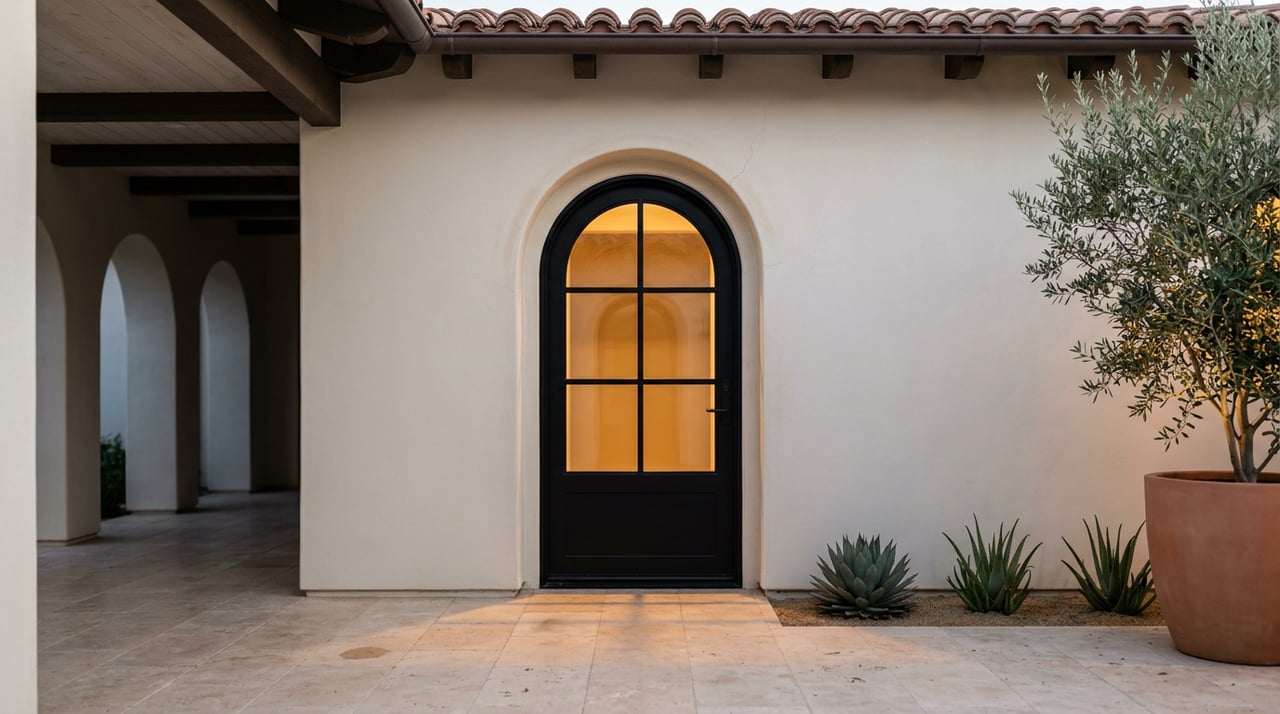
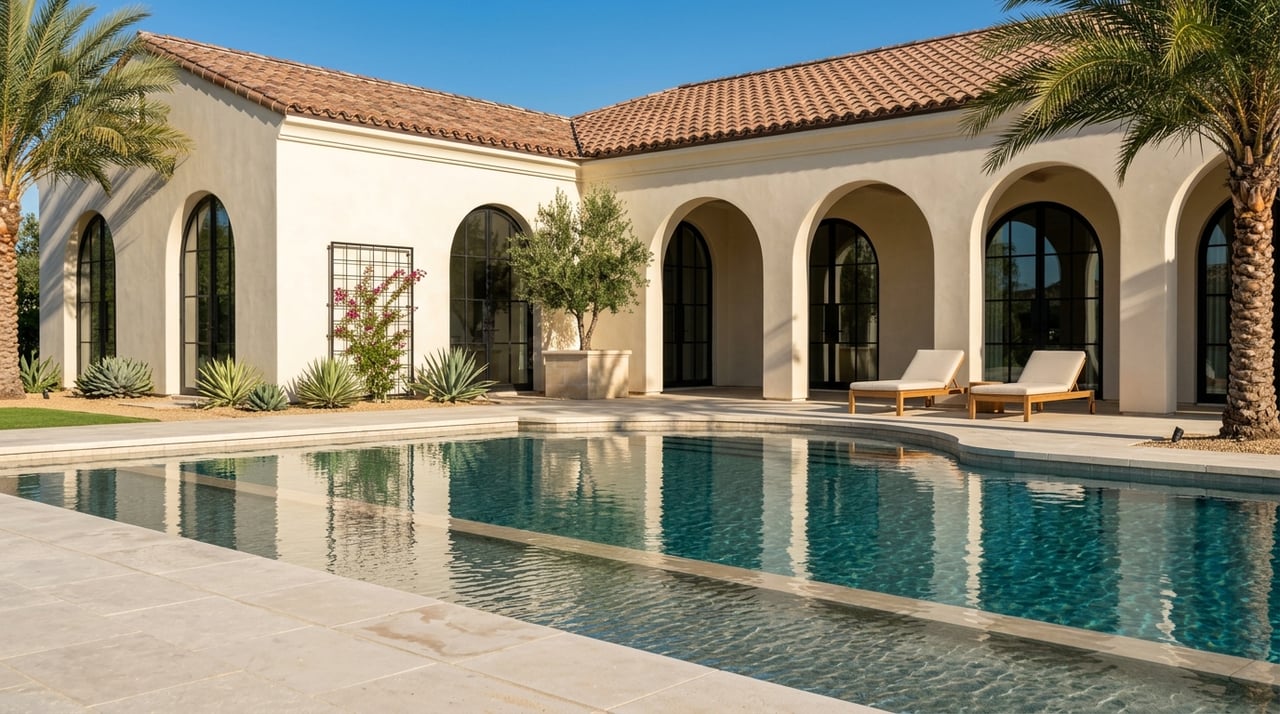
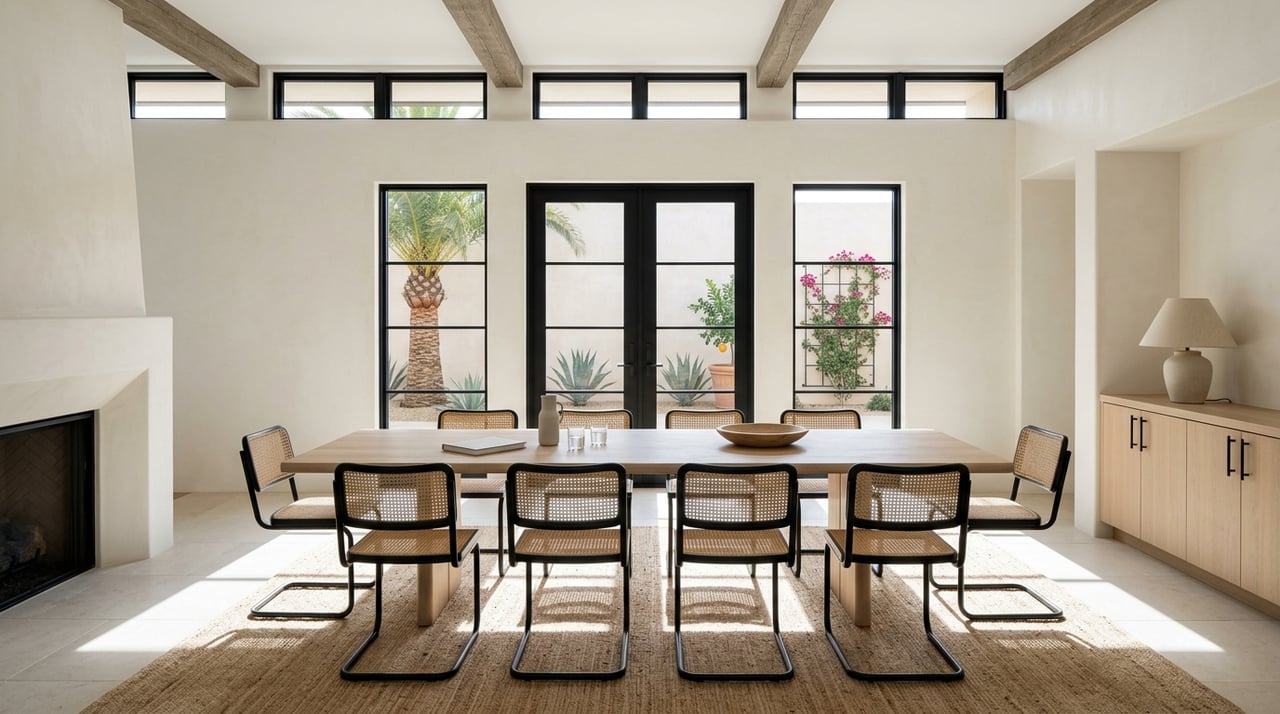
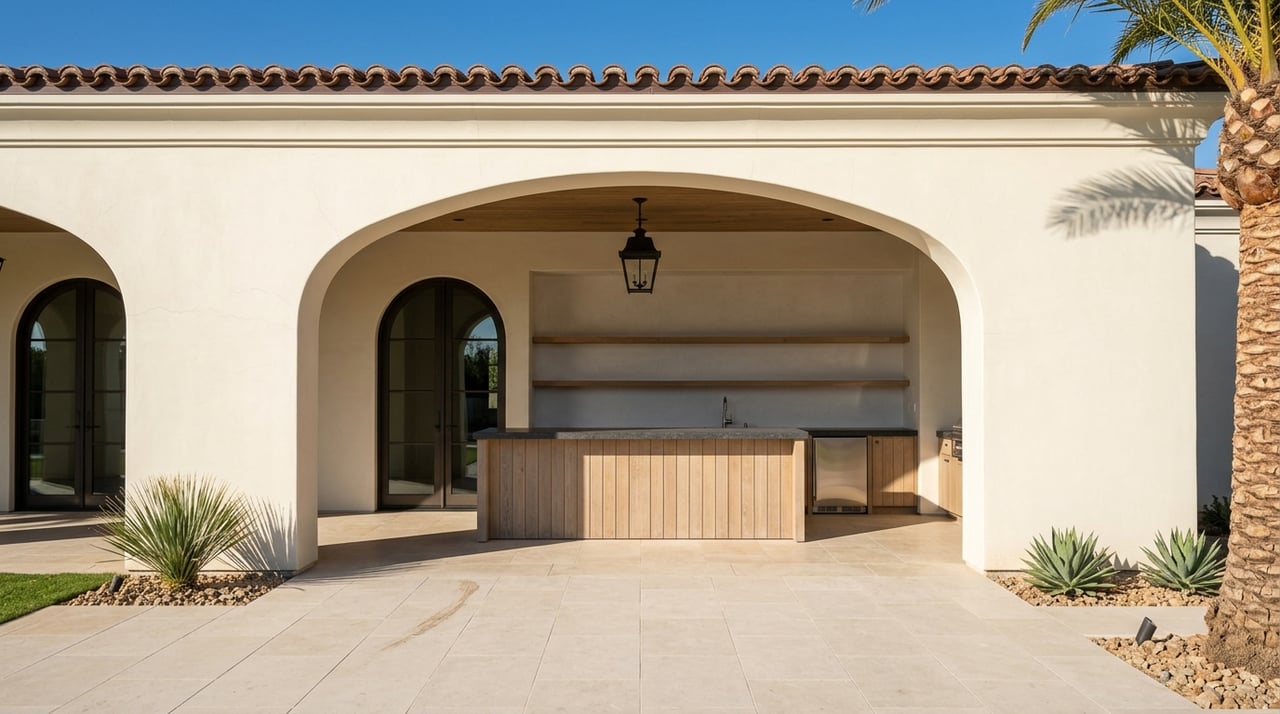
If you want an all‑on‑site experience that feels private and effortless, look for a single estate that blends hospitality with venue capabilities. Cavallo Ranch sits on 20 gated acres in the Coachella Valley with an 8,500 square foot villa and eight hotel‑style bedrooms. You get large indoor and outdoor meeting spaces, a saltwater pool, a man‑made swim lake, a four‑acre polo field, sports courts, and curated communal areas like the Great Room and Polo Bar. An on‑site concierge and culinary team can arrange private chefs, butler service, wellness blocks, and equestrian experiences so your agenda stays cohesive and on time.
The value of a purpose‑built ranch estate is logistical simplicity. Exclusive use means your sessions, breakouts, meals, and downtime all happen in one place. With venue‑grade operations, you can host workshops by day, then shift to stargazing, a tasting at the outdoor bar, or a team dinner without leaving the property. That balance helps you protect focus, build culture, and leave with a clear plan.
Ready to design a retreat that delivers real outcomes and feels exceptional from arrival to goodbye? Explore how a private, production‑ready estate can streamline your planning and elevate the experience. When you are ready, reach out to the concierge team at Cavallo Ranch to plan your stay or request event availability.
FAQs
When is the best time for a Coachella Valley retreat?
- October through May generally offers comfortable outdoor conditions and lower wildfire smoke risk compared to summer months.
How far in advance should I book a private estate?
- For peak winter season, plan 6 to 12 months ahead, while 3 to 6 months may work for off‑peak dates.
What venue details should I verify first?
- Confirm exclusive‑use terms, lodging capacity, committed internet speeds, power and AV support, permit responsibilities, and insurance requirements.
How do I handle internet and cell coverage at ranch properties?
- Expect variability and request committed bandwidth; consider wired connections, portable Wi‑Fi, and signal boosters for critical areas.
Who secures permits for events and activities?
- Clarify in the venue contract; some venues manage permits, while private properties often require the organizer to obtain event, food, alcohol, and fire‑safety approvals.
What are the biggest budget drivers I should plan for?
- Venue rental, lodging, catering, AV and internet, transportation, activities, staffing and security, and required permits and insurance typically make up most of the budget.