What if your next group getaway actually left everyone calmer, clearer, and more connected? In Riverside County’s desert, the rhythm shifts. Mornings feel crisp, stars feel closer, and wellness is not a buzzword but a landscape. If you are planning a retreat for friends, family, or a small team, this guide shows you how to tap into the desert’s strengths and design a restorative, low‑stress escape.
You will find the best times to visit, proven wellness activities, venue types that work for groups, and practical tips for permits, safety, and sustainability. You will also get a simple three‑day blueprint you can adapt to your group. Let’s dive in.
Why Coachella Valley works
Greater Palm Springs is built for wellness. The region is known for mineral hot springs, destination spas, and purpose‑built retreats that make multi‑day wellness programming easy to plan. According to the regional wellness report, the area continues to expand with options that blend spa, movement, and thoughtful dining, including data‑driven retreats like Sensei Porcupine Creek (regional wellness overview).
Desert Hot Springs, set on the Miracle Hill aquifer, concentrates mineral‑spring resorts and day‑soak options. Visit Greater Palm Springs maintains a practical guide that helps you compare properties, day passes, and private soak arrangements (hot‑mineral springs guide). This mix lets you customize your retreat whether you want a private estate base with spa add‑ons or a boutique property with everything on site.
The science of nature time
Time in nature is not just pleasant. It is measurably good for you. Large studies show about 120 minutes per week outdoors is linked with better wellbeing, including reduced stress and improved mood (nature exposure research). In the desert, short sunrise walks, mindful movement outside, and quiet stargazing become simple, evidence‑based building blocks for your itinerary.
When to go and how to pace it
- Best windows: late fall through early spring, roughly October to April, when daytime temperatures support outdoor activities. Regional travel sources note these as peak wellness months for balanced schedules.
- Summer approach: if you plan June through September, shift outdoor sessions to sunrise and evening, shorten durations, and add cooling measures.
- Heat safety: build shade, hydration, and rest into your plan. The OSHA–NIOSH Heat Safety Tool and CDC guidance can help you set intensity and breaks for your group (heat‑safety guidance).
Core elements of a wellness itinerary
Movement and sunrise nature
Early light is your friend. Design daybreak activities before the heat builds. Indian Canyons offers several easy‑to‑moderate routes with dramatic scenery and seasonal access; it is a classic sunrise choice for guided group walks and mindful movement (Indian Canyons hiking overview). Follow the hike with a short yoga or mobility session and a relaxed breakfast.
Mineral soaks and somatic sessions
Mineral‑water circuits in Desert Hot Springs are a signature experience. Consider a half day dedicated to private soak rotations, contrast‑therapy, or hydrotherapy. Many resorts can arrange group bookings or curated add‑ons through their spa teams. Round it out with a restorative session like a guided sound bath, breathwork, or meditation. The region has multiple providers and studios that can travel to estates or host on site (sound‑bath options and studios).
Chef‑led, health‑forward dining
Build simple, bright menus around local produce and flavors. Citrus and dates are regional stars, and they show up in spa water, dressings, and energizing snacks. Keep meals plant‑forward with composed salads, grain bowls, and clean proteins. For smooth logistics, use licensed caterers or resort culinary teams, label common allergens, and provide vegan and gluten‑free options.
Low‑impact evenings and stargazing
Evenings are for soft landings. Think poolside acoustic sets, small sharing circles, or candlelit yin yoga. For a bigger sky moment, plan a star talk. Joshua Tree National Park is close enough for a half‑day trip, with ranger programs and dark‑sky stargazing opportunities if you manage entry and timing well (Joshua Tree planning).
Where to host your group
Private estates for intimacy
A private, fully contained estate lets you keep everything on site. Look for 8 to 12 bedrooms, generous indoor‑outdoor living, a chef’s kitchen or on‑site culinary team, lawns for yoga, and quiet zones for bodywork. Estate buyouts are ideal for 10 to 30 guests when you want privacy and custom programming without navigating a larger resort.
Boutique retreats with spa access
Smaller resorts with integrated spa and wellness teams can simplify scheduling if you prefer turn‑key services. For inspiration at the high end, Sensei Porcupine Creek illustrates how data‑guided wellness consults, movement labs, and thoughtful cuisine can come together in a single setting (Sensei coverage).
Mineral‑spring resorts and day‑soak add‑ons
If you choose an estate base, pair it with day access to mineral‑spring properties to anchor your spa day. The regional guide helps you compare day passes, private soak rooms, and group‑friendly options in Desert Hot Springs (hot‑springs planning guide).
Venue checklist to streamline planning
Before you book, confirm:
- Sleeping capacity and en‑suite counts versus daytime guest capacity
- Indoor and outdoor movement spaces with shade options
- On‑site kitchen access or private‑chef arrangements
- Spa rooms or easy transfer times to off‑site treatments
- AV and sound for music, meditations, or talks
- Parking, shuttle staging, and proximity to urgent care
- Local rules on noise, amplified sound, and event size limits
Permits, safety, and sustainability
Permits and local approvals
Rules vary by city. Expect special‑event permits, occupancy and parking plans, and possible fire‑department reviews for structures like tents. The City of Palm Springs publishes clear guidance on event and fire permits, which is a helpful reference point as you plan across the valley (Palm Springs permit overview). If you host any guided or commercial activities on public lands such as Joshua Tree National Park, check whether a special‑use or commercial permit is required (park permits and programs).
Food service should be handled by licensed caterers or in‑house resort teams to align with environmental‑health rules. For alcohol, use venue‑licensed staff or confirm the right permits with local authorities.
Heat safety basics
Build your schedule for the climate. Keep outdoor activities to sunrise and evening in warmer months. Provide shade canopies, cooling towels, and chilled electrolyte water. Train staff and facilitators to spot signs of heat stress and use the OSHA–NIOSH Heat Safety Tool to adjust pace and rest (heat‑planning tool).
Water‑wise retreat planning
Water is a real constraint in the desert. The Coachella Valley Water District is investing in recycled‑water expansion and conservation projects, which is a good cue for hosts to operate mindfully. Choose drought‑tolerant landscaping for any temporary decor, limit pool heating, and communicate your conservation practices to guests (local water‑efficiency projects).
A simple 3‑day blueprint
Use this as a template and tailor to your group’s pace.
Day 1: Arrival and grounding
- Afternoon: check in, citrus spa water, light bowls
- Late afternoon: restorative yoga by the pool
- Evening: plant‑forward welcome dinner with citrus and date accents, short grounding meditation
Day 2: Nature and spa
- Sunrise: guided hike in Indian Canyons with quiet journaling (trail reference)
- Midmorning: nourishing brunch and a breathwork or movement lab
- Afternoon: mineral‑soak circuit and rotating treatments (soak options)
- Evening: sound bath and optional stargazing or reflective writing (sound‑bath ideas)
Day 3: Integration and departure
- Morning: slow‑flow yoga and mobility
- Late morning: chef demo on naturally sweet date paste and energy snacks
- Midday: final circle, check out, optional quick stop at a local farm market
What to pack for the desert
- Light layers for cool mornings and warm afternoons
- Sun hat, UPF clothing, and mineral sunscreen
- Refillable water bottle and electrolytes
- Supportive walking shoes for sand and rock
- Swimsuit, quick‑dry cover‑up, and sandals
- Journal and pen for reflection
Make it effortless at Cavallo Ranch
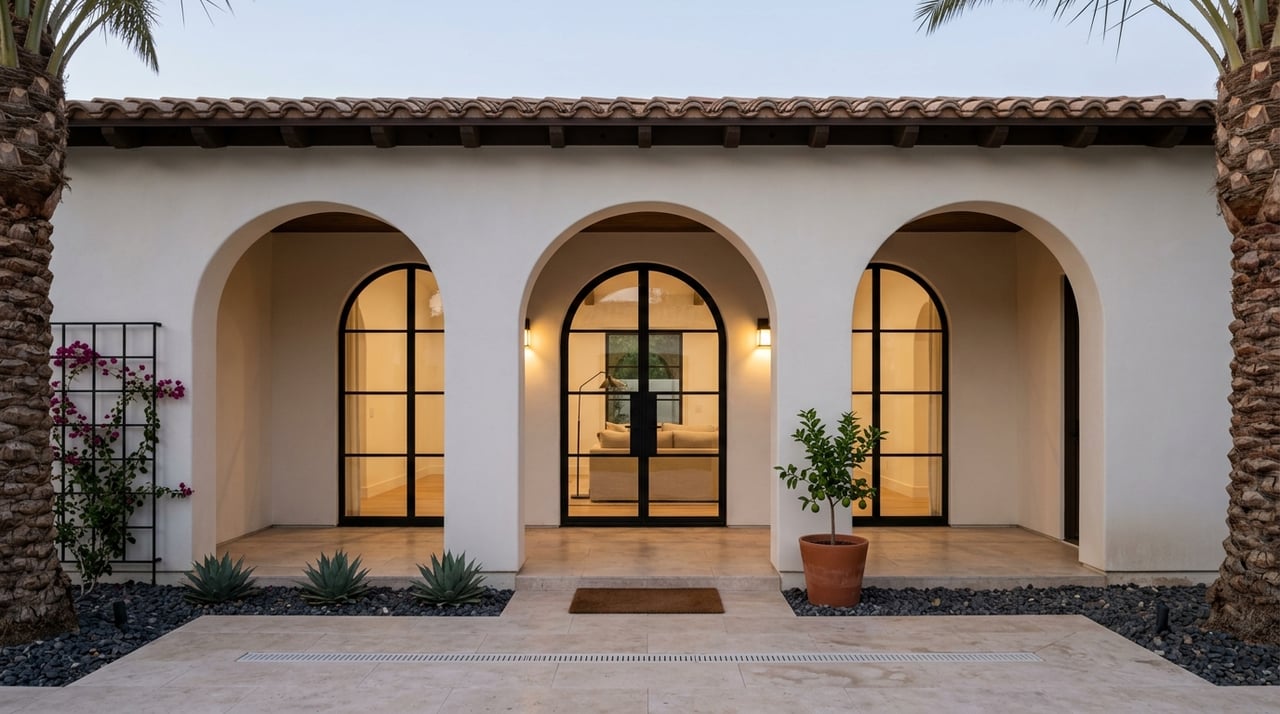
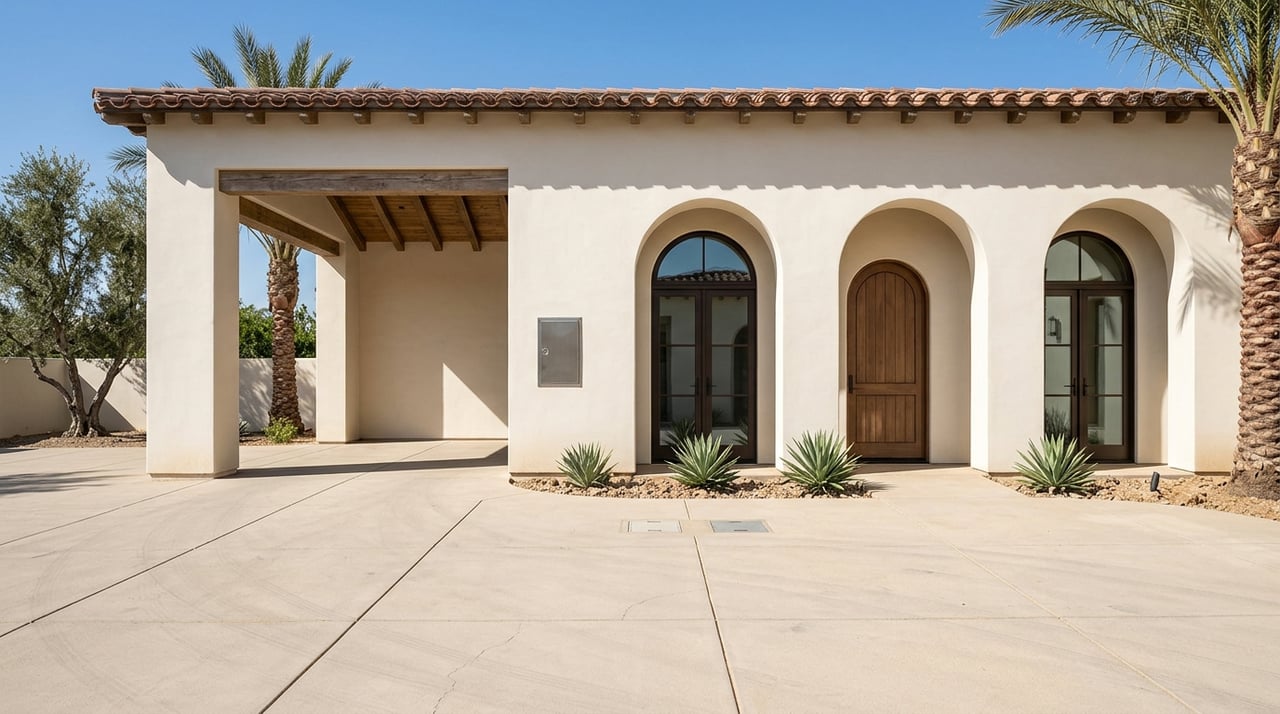
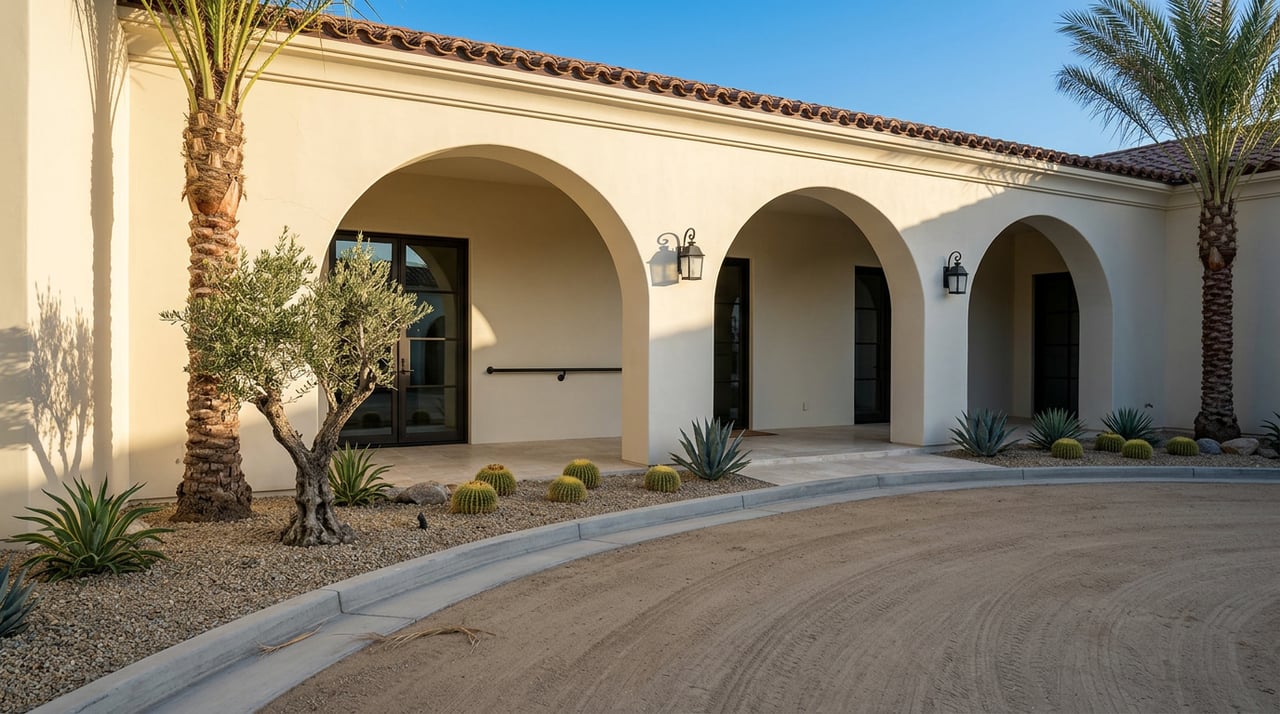
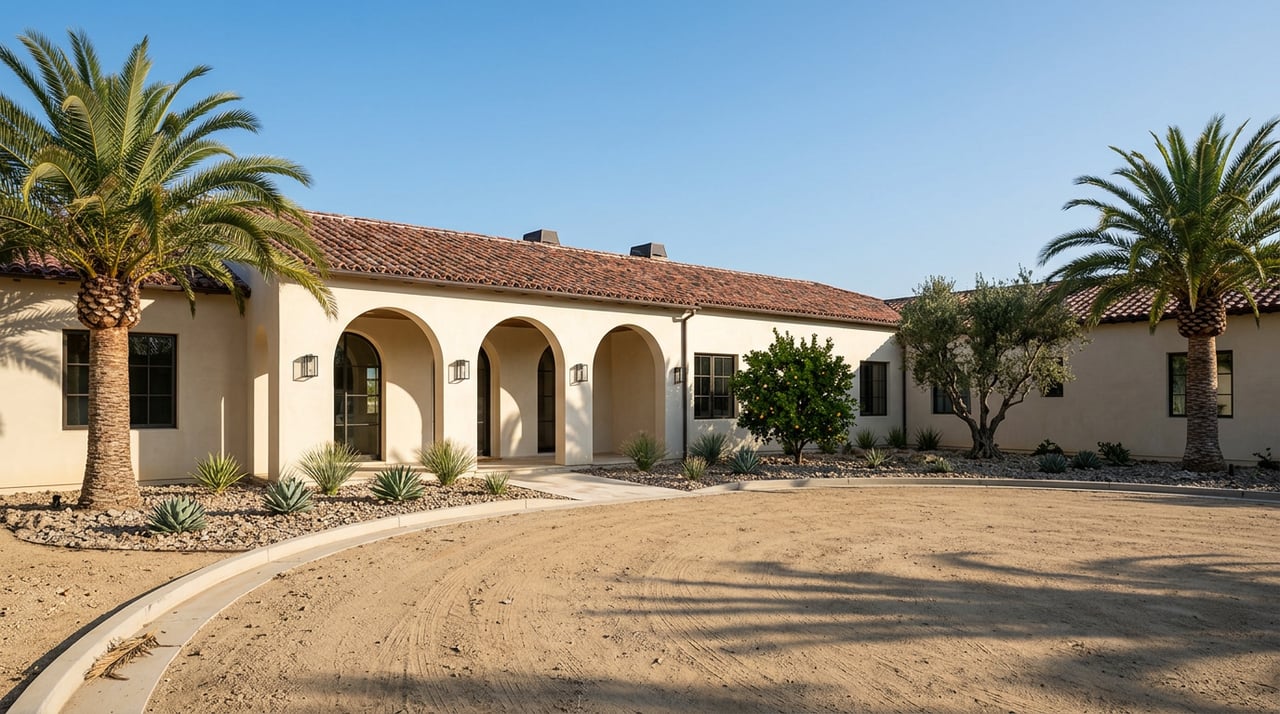
If you want a private, all‑on‑site setting that keeps wellness front and center, consider hosting at Cavallo Ranch. The 20‑acre gated estate centers on an 8,500‑square‑foot villa with eight hotel‑style bedrooms, a saltwater pool, a man‑made swim lake, and expansive lawns that turn into open‑air studios for yoga, sound, and movement. An on‑site concierge and culinary team simplify everything from chef‑led, plant‑forward menus to mobile spa treatments and guided sunrise sessions. Sports courts, shaded lounges, and the four‑acre polo field add space for breathwork circles, mindful walks, or gentle mobility clinics.
The goal is simple. You focus on connection while our team curates the flow, from arrival to the final integration circle. Plan your stay or request event availability with Cavallo Ranch.
FAQs
When is the best time for a wellness retreat in Greater Palm Springs?
- Late fall through early spring, roughly October to April, offers the most comfortable weather for outdoor activities and balanced schedules.
How should we handle heat for outdoor sessions?
- Schedule hikes and movement at sunrise or evening, build in shade and hydration, and use the OSHA–NIOSH Heat Safety Tool to set intensity and breaks based on conditions.
Do we need permits for group activities at a private estate?
- Often yes for larger gatherings. Cities set rules on noise, occupancy, parking, and temporary structures, and fire departments may require safety plans and inspections.
Can we add mineral‑spring soaks to an estate‑based retreat?
- Yes. Many Desert Hot Springs properties offer day passes or private soak bookings, which pair well with a private estate stay.
What group size works best for a private, wellness‑focused retreat?
- Intimate groups of about 10 to 30 guests typically allow for personalized sessions, easy scheduling, and a calm atmosphere across shared indoor‑outdoor spaces.