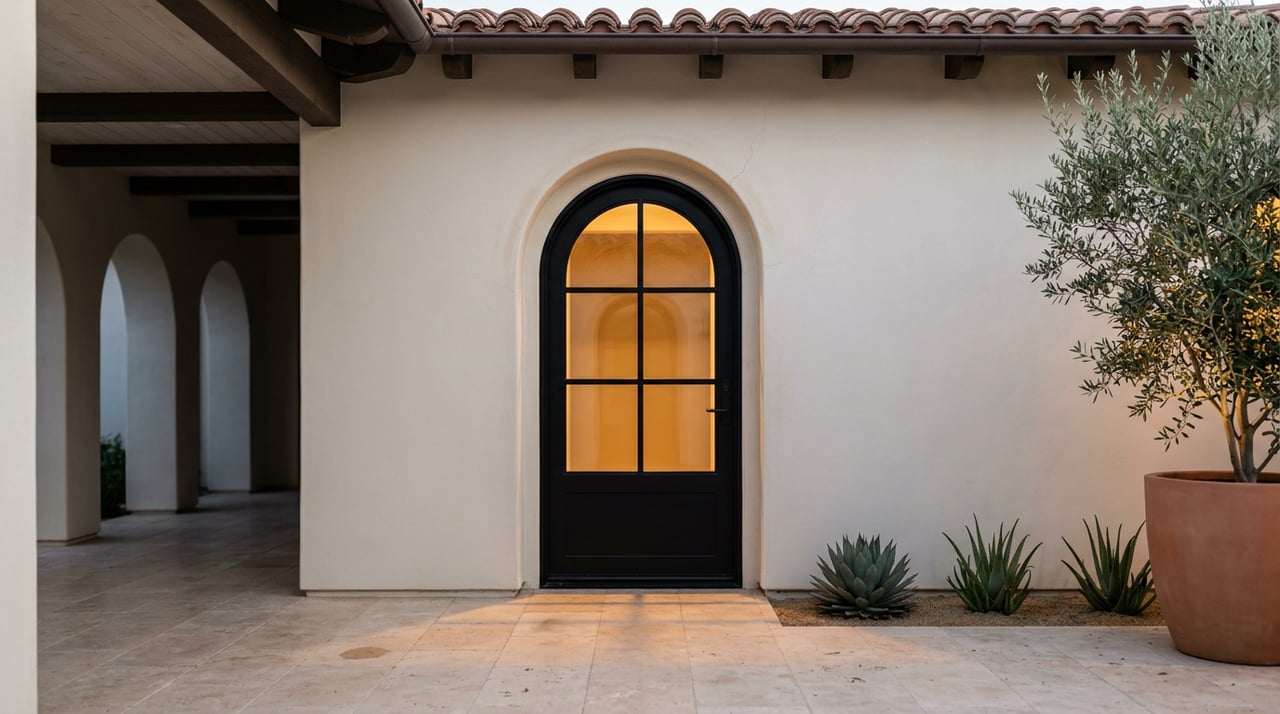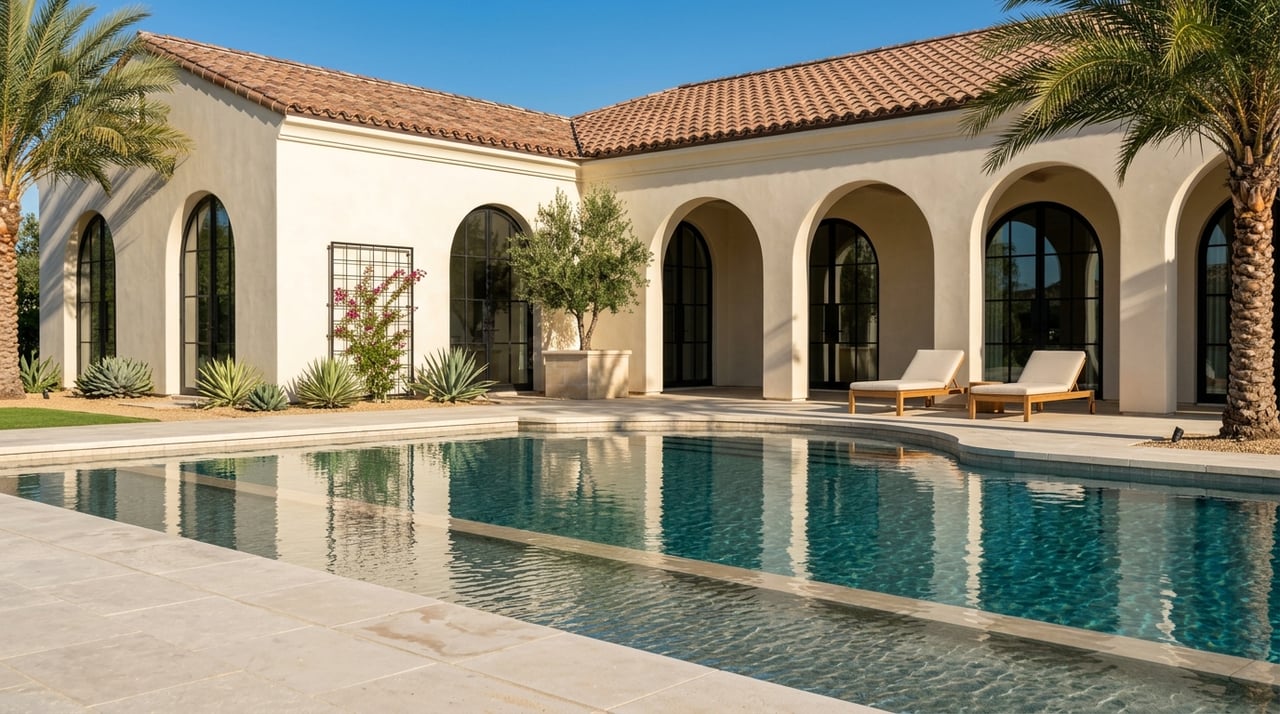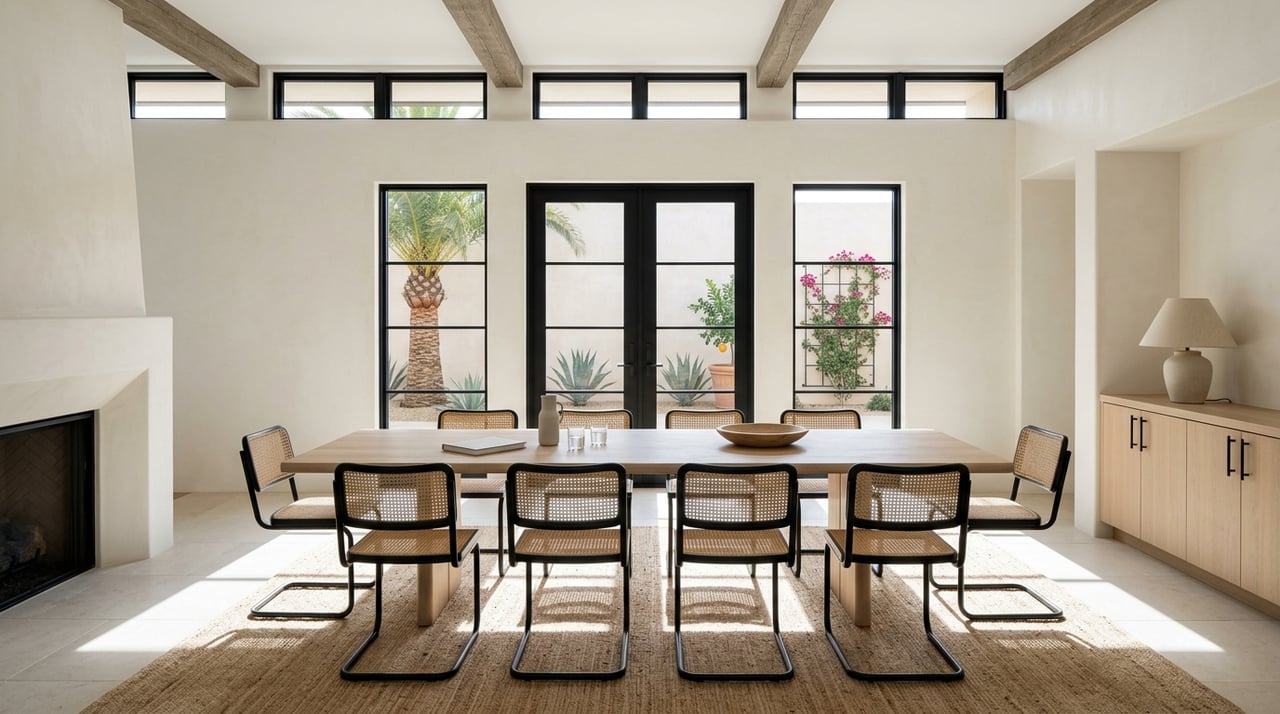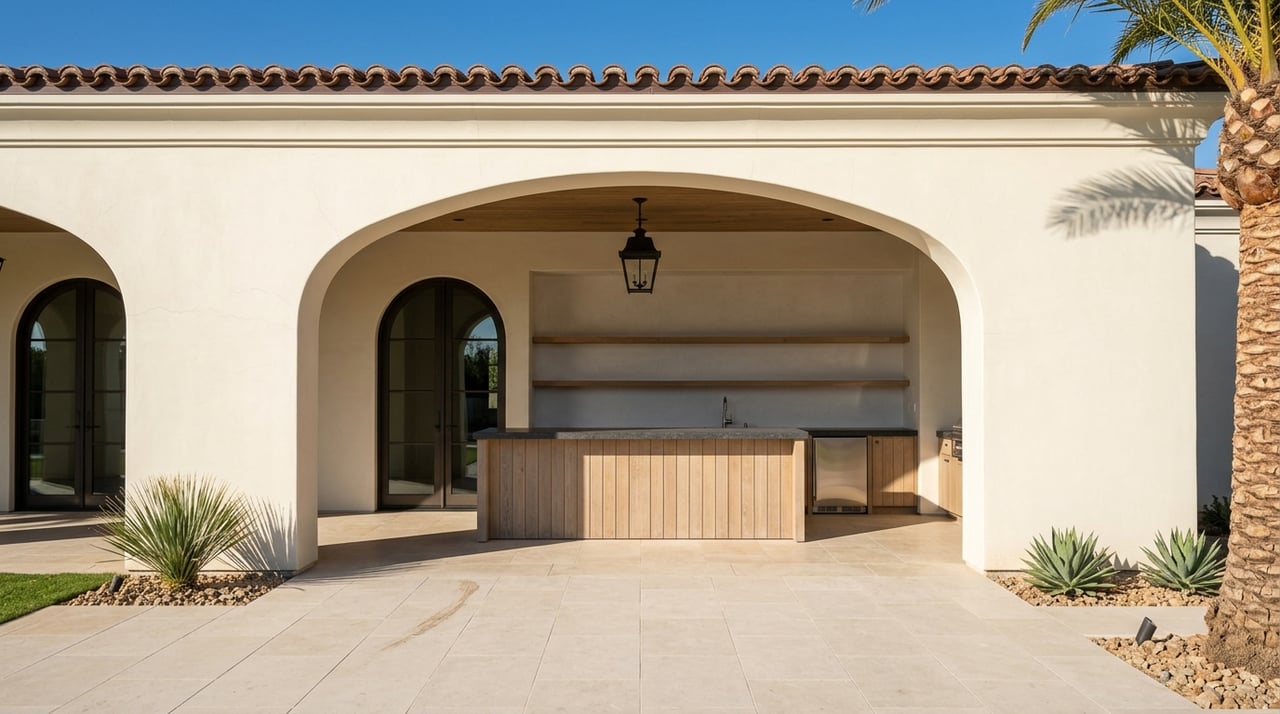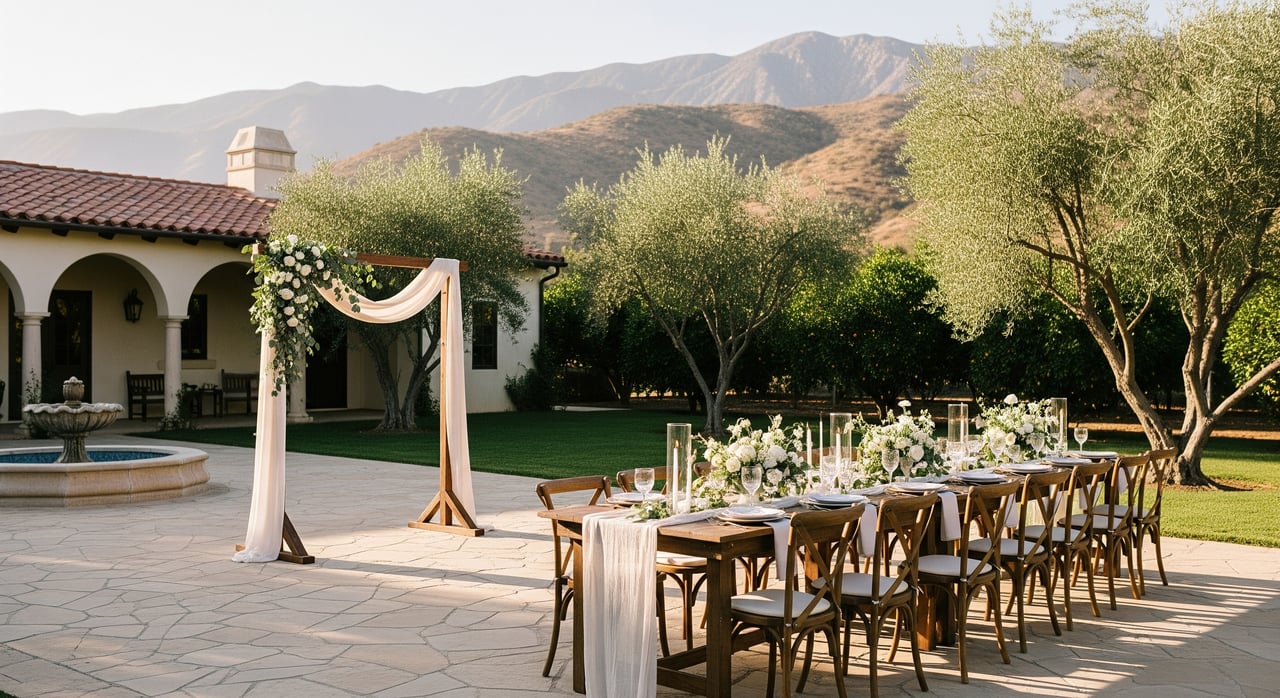
Dreaming of a private estate wedding under desert skies, but not sure how to budget it? You are not alone. Estate weddings offer freedom and style, yet they shift more costs into rentals, staffing, and infrastructure. In this guide, you will learn how to build a realistic budget for Riverside County’s Coachella Valley, where weather, season, and logistics can change the math. Let’s dive in.
Estate vs. resort budgets in Riverside County
Private estates trade a set venue package for a customizable plan. That often means you can avoid bundled markups and choose vendors that fit your vision. It also means you will bring in more rentals and support services that a resort normally includes.
What the site fee covers
A venue buyout typically grants exclusive access for certain hours or days. It may include basics like parking areas, a site manager, or limited furniture, but offerings vary. Pricing structures can be a flat fee or a fee with a minimum food and beverage spend. Always confirm whether the minimum is per guest or total.
Where estates save vs. add cost
Private estates can cost less per person than resort packages because you choose your own vendors. Savings can be offset if an estate needs infrastructure like portable restrooms, generators, tents, or climate control. In Palm Springs area markets, popular dates and well-known estates often command premiums, especially in peak season.
Budget percentages that work
Build your plan with budget shares instead of fixed dollar amounts. Then adjust for season, heat, and location.
- Venue/site buyout and permits: 15–30%
- Food and beverage: 30–40%
- Rentals and production: 10–20%
- Staffing and coordination: 5–12%
- Transportation and lodging logistics: 1–5%
- Contingency, permits, insurance, gratuities: 5–10% (increase to 10–15% for remote sites or extreme heat)
- Other categories (photo/video, attire, music, florals, invitations): about 20–30%
For estates, expect rentals and staffing shares to skew higher than at resort venues. The site fee may be lower, but you will turn some of that savings into tents, climate control, and labor.
Coachella Valley cost drivers to plan for
Season and weather
November through April is peak season. Demand pushes up site fees and vendor rates. Summer can bring lower prices, but expect higher spending on cooling, shade, and hydration. Wind and rare rain are still factors, so add tent sidewalls and secure anchoring to your contingency.
Infrastructure realities
Desert estates can be remote. That often requires generator power, protective flooring for lawns or sand, and vendor travel time. Tenting with air conditioning or large evaporative coolers can be one of your biggest rental lines. Bundle tent, flooring, and climate control in one quote to get a clearer picture.
Permits, noise, and alcohol rules
Jurisdictions across Riverside County and Coachella Valley have special event permits, noise curfews, and parking or traffic plan requirements. Noise curfews often fall between 10 pm and midnight, depending on the city. California’s alcohol rules apply if you plan to sell alcohol. For most private hosted bars where alcohol is not sold, a liquor license is not required. Confirm details with your caterer and the relevant agencies.
What to expect for food and beverage
Use per-guest ranges to plan, then layer in service style and bar preferences.
- Low-budget or casual: 50–90 dollars per guest (buffet or heavy hors d’oeuvres, limited bar)
- Mid-range: 100–175 dollars per guest (plated or stations, beer and wine plus signature cocktails)
- High-end: 200 dollars or more per guest (multi-course plated, premium bar, passed bites, late-night snacks)
Open bars typically run about 30–50 percent of the food cost. Menu complexity, premium proteins, and dietary customizations affect totals. If the estate lacks a prep kitchen, plan for mobile kitchen fees and cold-holding needs.
Sample scenarios by guest count
- Small estate wedding (about 50 guests). Fixed costs like the site fee, tenting, and restrooms dominate. Per-guest costs can look high since you spread those fixed items across fewer people.
- Mid-size (about 100 guests). Food and beverage becomes the largest single line, while tenting and HVAC become more efficient per person. Staffing grows with service style and timeline.
- Large (150 or more guests). You gain some economies of scale on rentals per guest, but total dollars rise. Expect additional restroom trailers, more power distribution, and larger crews.
Must-have line items for guest comfort
- Climate control and shade. Invest in tents with AC or high-capacity coolers, shaded ceremony spaces, and hydration stations.
- Lighting and production. String lights, uplighting, and a proper dance floor transform a blank canvas and elevate photography.
- Catering quality and service. The meal and bar experience drive guest satisfaction.
- Experienced coordinator. Estates benefit from a day-of manager to orchestrate multiple vendors and timelines.
- Restroom facilities. High-quality restroom trailers can be a better guest experience than inadequate bathrooms.
Transportation and lodging logistics
- Consider guest shuttles if parking is limited or grades are steep. Consolidated shuttles can help manage costs.
- Map vendor load-in and load-out windows. Remote locations increase travel time and may add labor charges.
- For festival weekends, build in cushion for traffic and availability. Vendor hotel blocks help reduce no-shows and manage early call times.
Contract and contingency checklist
Protect your budget by clarifying details upfront.
- Scope of venue buyout: dates, hours, setup and teardown, and parking
- Guest count rules and how minimums affect final charges
- Overtime rates and grace periods for venue and all vendors
- Weather contingency and force majeure terms, including who approves last-minute tenting
- Noise curfew and penalties, plus any neighbor notification plan
- Permit responsibilities: special event, tent/fire, and temporary food permits if needed
- Alcohol clauses: who is licensed and responsible for service
- Insurance requirements: typical general liability limits and who purchases the policy
- Damage deposits and conditions for holdbacks
- Vendor travel, load-in windows, and parking allocations
- Gratuity and service charge policies
Set a contingency of at least 5–10 percent. For remote estates or extreme heat dates, increase to 10–15 percent. This protects you from last-minute rentals, added labor, or weather solutions.
Vendor sourcing and smart negotiation
- Request three itemized bids per category and compare delivery, setup, takedown, and insurance.
- Ask rental houses for bundled pricing on tent, flooring, and AC.
- Explore off-peak dates or weekdays for lower rates, especially outside winter peak and high-festival weekends.
- Consolidate services where possible to reduce markup and logistics complexity.
- Require line-item labor, delivery, and tax to reveal negotiation opportunities.
- If an HOA or homeowner rules apply, secure written approvals early.
A realistic planning timeline
For peak season in Coachella Valley, start contacting preferred vendors 9 to 12 months in advance. In non-peak windows, 6 to 9 months may work. Begin permit conversations 3 to 6 months out, since approvals can take time, and book tenting and climate control early.
How an all-on-site estate can help your budget
Properties with built-in amenities reduce outside rentals and simplify logistics. On-site lodging can reduce shuttle needs and vendor arrival complications. Professional management and a culinary team can streamline staffing and kitchen logistics, which helps control overtime and last-mile catering costs.
At a purpose-built private estate in the Coachella Valley, you get privacy, space, and hospitality that supports multi-day celebrations. When the venue functions like a private resort with concierge support and flexible event spaces, you can focus your budget on guest comfort and design rather than piecing together basic infrastructure.
If you want a private, production-ready setting with room to celebrate and stay together, we can help you plan with clarity and ease. Explore dates, walk the site, and request a tailored estimate that fits your vision. Connect with the team at Cavallo Ranch.
FAQs
What drives estate wedding costs in Riverside County?
- Key drivers include season and demand, tenting and climate control, rentals and production, staffing levels, and permitting or noise curfew requirements.
How should I allocate my wedding budget for a private estate?
- A practical starting point is venue 15–30%, food and beverage 30–40%, rentals 10–20%, staffing 5–12%, transport 1–5%, and contingency 5–10%.
What are typical per-guest food and beverage ranges in Coachella Valley?
- Plan for about 50–90 dollars per guest for casual, 100–175 dollars for mid-range, and 200 dollars or more for high-end service and premium bar.
Do I need a liquor license for a hosted bar at a private estate?
- For private events where alcohol is not sold, a license is usually not required. If you sell alcohol or run a cash bar, additional rules can apply.
What staffing ratios should I expect for service and bar?
- Plated meals often use about one server per 10–12 guests. Bars often plan for about one bartender per 50–75 guests, depending on bar style.
How much should I set aside for contingency at a desert estate?
- At least 5–10% of your total budget. Increase to 10–15% for remote locations or extreme heat dates.
When should I book vendors for a peak-season Coachella Valley wedding?
- Start securing preferred vendors 9–12 months in advance and begin permit conversations 3–6 months ahead of the event.