Wondering when to plan a wedding, retreat, or brand activation in the Coachella Valley? You want comfortable temperatures, flattering light, and dates that don’t fight with festival crowds. With the right timing, you can capture the desert at its most beautiful and keep your budget in check.
This guide breaks down seasonality month by month, with practical notes on golden hour, crowd pulses, and pricing windows. You’ll also find comfort and safety tips, plus tools to time your schedule with precision. Let’s dive in.
Coachella Valley at a glance
The Coachella Valley is a low-elevation desert basin with an arid climate, big day-to-night temperature swings, and very hot summers. Winter through spring is high season because days are milder and visitor travel is strong. Late spring and summer bring heat that limits outdoor comfort, while fall offers a welcoming shoulder season.
Spring festivals and major sports events can push pricing and strain staffing. Summer brings monsoon storm potential, and late summer into fall can see wildfire smoke and wind events. Plan with backup options, and check forecasts and air quality as your date approaches using the National Weather Service and AirNow.
Month-by-month playbook
January
- Weather: Mild days, cool to chilly nights. Brief winter rain is possible.
- Golden hour: Earlier sunsets. Confirm exact timing for your date.
- Crowds: Winter resort season is active. Holiday weekends can be busy.
- Best for: Outdoor ceremonies with heaters on standby and smaller retreats.
February
- Weather: Comfortable days and cool evenings. Low rain probability.
- Golden hour: Sun sets later than January; days are lengthening.
- Crowds: Holiday weekends increase demand.
- Best for: Weddings and group stays while temperatures are pleasant.
March
- Weather: Rapid warming. Comfortable to warm days, cool nights. Some windy spells.
- Golden hour: Daylight Saving Time starts the second Sunday. Sunsets shift later.
- Crowds: Tennis at Indian Wells and spring break create demand spikes.
- Best for: Outdoor events with early bookings for lodging and vendors.
April
- Weather: Warm to hot days. Generally low precipitation. Occasional wind.
- Golden hour: Longer evening light windows.
- Crowds: Coachella and Stagecoach weekends draw large inflows and strain services.
- Best for: Activations that align with festival energy, if you plan early and budget for higher costs.
May
- Weather: Warming into hot. Late afternoons can feel intense late in the month.
- Golden hour: Late sunsets, long light windows.
- Crowds: Shoulder season with pockets of demand around holiday weekends.
- Best for: Later start times and evening-focused events.
June
- Weather: Hot to very hot. Highs often reach the 90s to 100-plus. Warm nights.
- Golden hour: Very late evening light, but heat lingers.
- Crowds: Visitor volumes drop as temperatures climb.
- Best for: Indoor or night events with robust cooling and hydration.
July
- Weather: Peak heat. Monsoon storms and brief downpours are possible.
- Golden hour: Late evening, but instability can impact conditions.
- Crowds: Outdoor social demand is low.
- Best for: Climate-controlled gatherings and night activations with contingency plans.
August
- Weather: Extreme heat persists. Humidity and storms possible.
- Golden hour: Late evenings; haze or storms can affect light quality.
- Crowds: Off-peak for outdoor weddings.
- Best for: Budget-friendly venue rates, if you invest in cooling and safety.
September
- Weather: Gradual cooldown from peak heat. Late-season storms possible. Smoke risk can rise some years.
- Golden hour: Evenings shift earlier as days shorten.
- Crowds: Shoulder season. Holiday weekends may spike demand.
- Best for: Transition month for evening outdoor events.
October
- Weather: Warm days, cool evenings. Often one of the most comfortable months.
- Golden hour: Earlier evening light that pairs well with ceremonies.
- Crowds: Demand increases for fall weddings and retreats.
- Best for: Outdoor celebrations and brand experiences; book early.
November
- Weather: Mild days, cooler nights, typically dry.
- Golden hour: Shorter days; earlier evening light.
- Crowds: Active season for destination events; Thanksgiving week can be busy.
- Best for: High-comfort outdoor events and multi-night gatherings.
December
- Weather: Mild to cool days, cool to chilly nights. Occasional brief winter rain.
- Golden hour: Early sunsets with excellent late-afternoon light.
- Crowds: Holiday travel raises demand around late-month weekends.
- Best for: Smaller retreats and resort-style stays with heaters for evenings.
Golden hour and schedule
Golden hour delivers soft, cinematic light for ceremonies, portraits, and content capture. In the desert, it shifts with the season and Daylight Saving Time. For weddings, aim to finish the ceremony 30 to 60 minutes before sunset to enjoy warm light for vows and photos. For brand shoots, schedule lighting tests around golden hour, and plan supplemental lighting for continuity.
Use precise tools to check sunrise and sunset for your exact date and coordinates. A simple way to confirm is to plug your venue location into timeanddate.com or SunCalc.
- Check exact sunrise and sunset with the sunrise-sunset tools on timeanddate.com.
- Visualize sun angle and path with SunCalc.
Plan around major events
Spring brings dependable spikes in demand. Two consecutive weekends of the Coachella Valley Music and Arts Festival and the Stagecoach Festival in Indio draw massive crowds that impact hotel inventory, labor pools, and transportation for surrounding days. The BNP Paribas Open in Indian Wells also increases demand in March.
If you want to avoid inflated prices and scarcity, skip mid-April weekends. If you want to tap into the energy, plan far in advance, expect higher vendor rates, and build in traffic and staffing contingencies. For broader seasonal calendars and travel patterns, review the regional guidance on Visit Greater Palm Springs.
Comfort, safety and backups
Desert seasonality rewards thoughtful planning. Build simple layers of comfort, and you’ll keep guests happy and operations smooth.
- Spring and fall: Offer shade for daytime and cozy layers or heaters at night.
- Summer: Avoid daytime outdoor events. If hosting at night, provide cooling like misters, fans, and air-conditioned lounges, plus visible hydration stations and trained staff for heat response.
- Winter: Evenings can be chilly. Plan stylish heat sources and encourage layered attire.
Weather and air quality can change quickly. Monitor short-term forecasts with the National Weather Service and check AQI and smoke advisories via AirNow. In late summer and fall, follow regional fire and closure updates from CAL FIRE. Wind events can happen in several seasons, so secure decor, rig tents properly, and adjust audio plans when gusts pick up.
Pricing and availability
Rates follow comfort and demand. Expect the following broad patterns:
- Peak pricing: February to April and October to November.
- Shoulder pricing: November to January and May to September varies by week.
- Off-peak pricing: June to August often brings lower base venue fees but higher cooling and staffing costs.
Festival weekends in April can produce unusually high local prices regardless of typical seasonality. If you are flexible, a Thursday or Sunday can be a smart play in busy months.
Permits and logistics
Confirm city and county permits well in advance for amplified sound, temporary structures, alcohol service, and parking. Be mindful of sensitive desert washes and native habitat. Avoid placing critical infrastructure in dry washes, and set clear weather and air quality triggers in your contracts.
For lodging, hold room blocks early in spring and fall. During major festival or tournament weeks, coordinate transportation plans, vendor load-in windows, and security staffing as part of your run-of-show.
Host at Cavallo Ranch
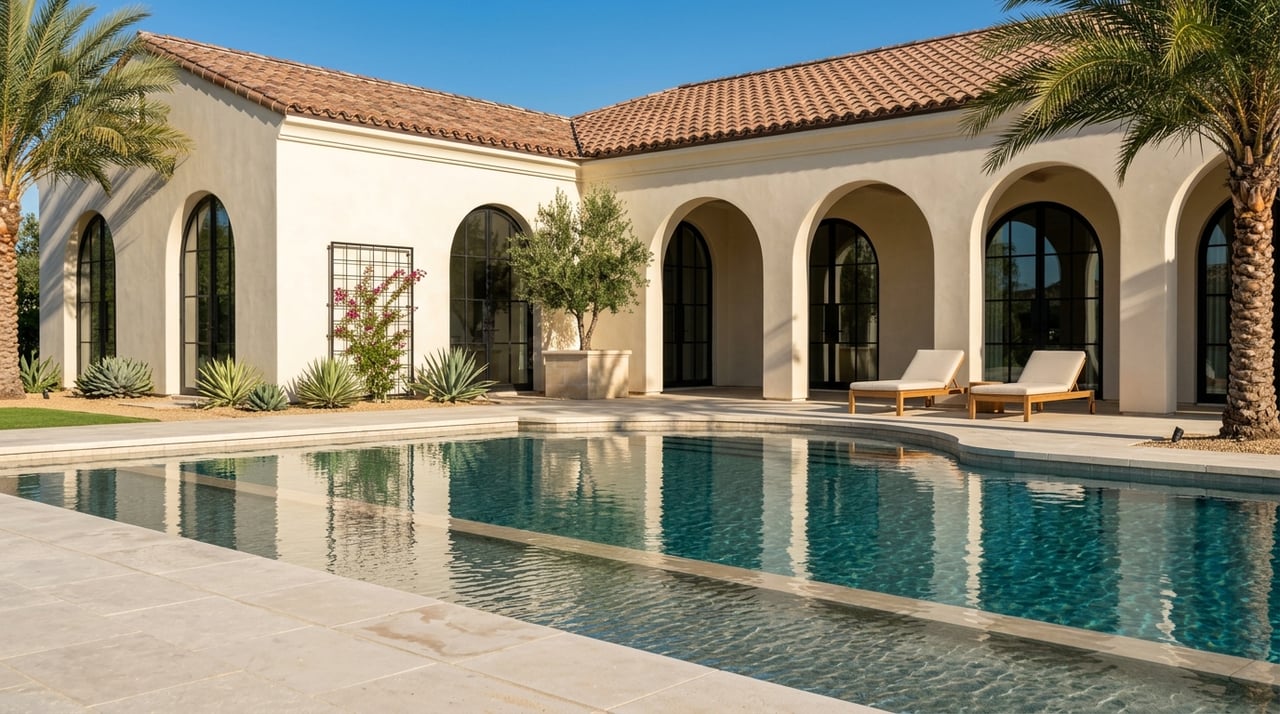
If you value privacy and logistical simplicity, choose a venue that feels like your own private resort. Cavallo Ranch is a 20-acre gated estate in the Thermal-Indio area with an 8,500-square-foot villa, eight hotel-style bedrooms, a man-made swim lake, saltwater pool, a four-acre polo field, sports courts, and curated gathering spaces. A concierge team and in-house culinary options support multi-night weddings, retreats, and brand activations on one site.
Spring and fall book quickly. Many hosts love October and November for outdoor comfort and golden light. If you are leaning into festival energy, April can be powerful with the right plan. For summer concepts, consider night programming, indoor lounges, and creative cooling to maximize comfort.
Ready to time your event perfectly and simplify the moving parts on site? Plan your stay or request event availability with Cavallo Ranch.
FAQs
What months are most comfortable for outdoor events in the Coachella Valley?
- October to November and February to March offer warm days and cool evenings that suit outdoor ceremonies and receptions.
How do Coachella and Stagecoach affect pricing and logistics?
- April festival weekends drive up hotel and vendor prices and can strain staffing, transportation, and inventory, so book early or choose non-festival dates.
How should I schedule around golden hour in Indio or Thermal?
- Finish a ceremony 30 to 60 minutes before sunset and confirm exact timing with tools like timeanddate.com’s sunrise-sunset data.
What are the key weather and air quality risks to plan for?
- Summer heat and monsoon storms, fall smoke and wind, and occasional winter wind spells; monitor the National Weather Service and AirNow.
When should I secure vendors for peak months?
- For October to November and February to April, contact venues and vendors several months in advance to lock dates, especially around major festivals and tournament weekends.