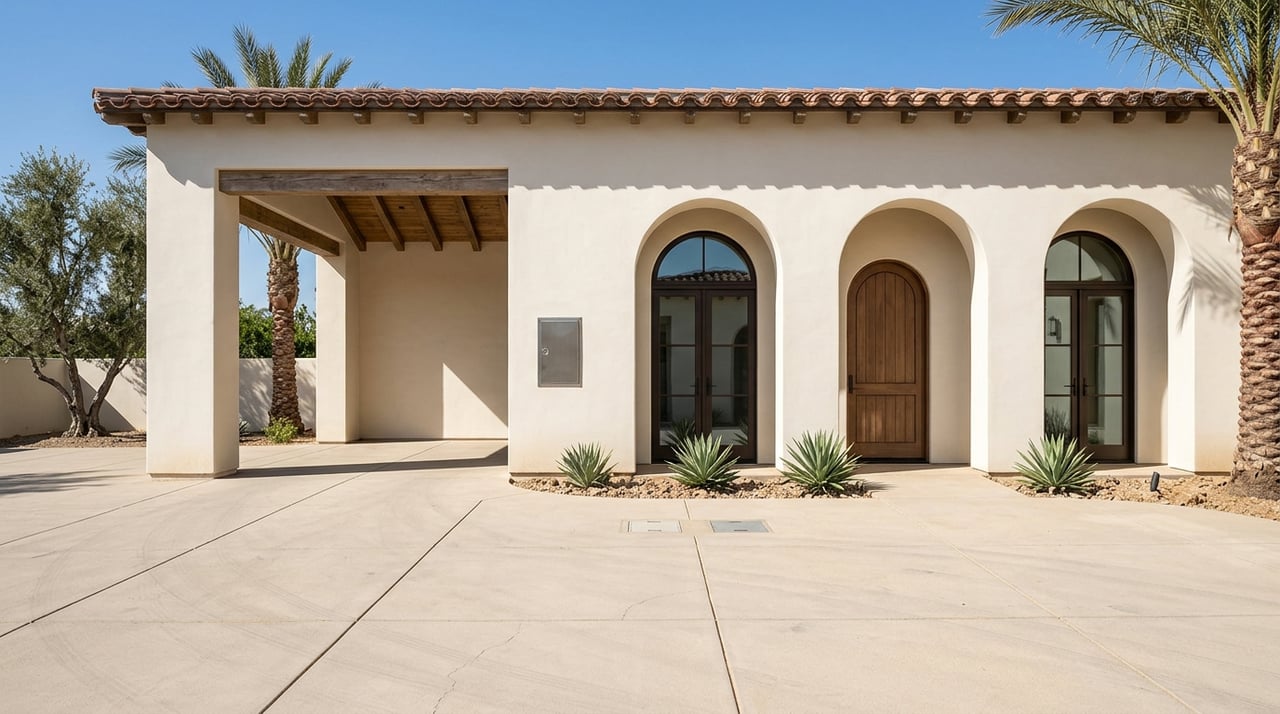
You can have a stunning desert backdrop and still end up with a difficult shoot day. In Riverside County, a production-ready estate is not just about looks. It is about whether your location can support permits, parking, power, crew flow, and comfort in real working conditions. If you are scouting for a branded campaign, television segment, still shoot, or content activation, this guide will help you understand what makes a desert estate truly production-ready and why that matters before your tech scout. Let’s dive in.
Why Riverside County Works for Production
Riverside County offers something location teams value: a wide range of looks within a relatively compact area. According to the Riverside County Film Commission, the region is already recognized for filming support and offers open desert, mountain views, winding roads, and scenic backdrops that can serve multiple creative needs in one market.
That variety is part of the appeal across the Coachella Valley. The Greater Palm Springs Film Office also notes that productions may need permits from more than one city or agency depending on the site. For you, that means the right estate is one that pairs strong visual appeal with a clear understanding of jurisdiction, access, and logistics.
Production-Ready Means More Than Scenic
A beautiful estate may photograph well, but location teams usually assess much more than the view. A production-ready property reduces friction. It helps you move from scout to shoot without avoidable surprises around utilities, staging, circulation, or local requirements.
The California Film Commission host guide makes that standard clear. Productions often need clarity on electricity, trash, sanitary facilities, generator locations, holding areas, parking, and off-limit zones. In other words, the estate needs to work like an operational venue, not only a visual one.
Power and Generator Planning
One of the first questions on any serious scout is simple: how will the production be powered? The California Film Commission asks property hosts whether on-site power can be used, whether added costs apply, and whether an electrician or permit is required if the production ties into building power.
For a desert estate, that means you should know in advance where power can be accessed, what the limitations are, and where generator trucks can stage if outside support is needed. If those answers are unclear, your production day can become slower and more expensive before cameras even roll.
What to confirm about power
- Whether on-site electrical service can support production use
- Whether a building electrician is required
- Where generators can be placed safely
- Whether utility tie-ins require permits or special coordination
- How cables and equipment can move without disrupting guest or crew flow
Parking, Load-In, and Vehicle Circulation
Parking often decides whether a location feels easy or difficult. The California Film Commission notes that an average feature film may bring 10 to 25 equipment trucks and 60 to 95 automobiles, while a commercial usually uses about half that number.
Even when your production footprint is smaller, circulation still matters. Trucks need room to enter, stage, turn, unload, and exit without damaging landscaping or creating issues near neighboring properties. A strong estate supports internal flow and offers realistic overflow options if the core footprint fills quickly.
Why circulation matters on a desert estate
In a large desert setting, distances can be deceiving. A driveway may look generous in photos but still create pinch points for grip trucks, catering vehicles, or client transport. The more clearly an estate can map arrival routes, staging areas, and exit paths, the easier it is for your team to stay on schedule.
Crew Support Spaces Make Shoots Smoother
The best locations create separation between the shoot itself and everything needed to support it. The California Film Commission advises hosts to identify holding areas and off-limit areas, and to keep meals and crew functions in designated spaces.
That is especially important for private estates. If wardrobe, makeup, meals, client review, and cast holding all compete for the same rooms, the location quickly feels crowded. Estates with detached structures, flexible indoor-outdoor zones, shaded patios, and multiple gathering areas tend to perform better because they let each part of the production operate without overlap.
Spaces worth planning in advance
- Cast holding
- Wardrobe and makeup
- Crew meal area
- Craft service setup
- Client or brand review area
- Equipment staging
- Clearly marked off-limit zones
Desert Climate Changes the Equation
The desert is part of the appeal, but it also shapes every production plan. NOAA climate normals for Palm Springs Regional Airport show an annual mean temperature of 75.6°F, with average highs of 88.9°F and average lows of 62.3°F. Summer conditions become much more intense, with July and August average maximum temperatures of 108.6°F and 108.1°F. Annual precipitation is just 4.61 inches, according to NOAA data.
For you, that means heat planning is not optional. A production-ready estate should offer practical shade, water access, cooling areas, and enough flexibility to keep cast, crew, and equipment protected during long days.
Wind, Dust, and Sound Control
Sound can be one of the hardest variables to solve after the fact. The California Film Commission advises hosts to keep noise levels low and consider neighbor impacts, especially during night filming or when bright lighting is involved.
In the Coachella Valley, wind adds another layer. NOAA guidance for Southern California notes that strong wind events can create blowing dust, affect roads and visibility, and even impact power lines in the Palm Springs and Coachella Valley area. You can review that guidance in the NOAA wind memo.
For scouting, this means you should think beyond the view. You want to assess wind exposure, dust control, tie-down options, and how open the site is to unwanted ambient noise. The most useful estate is one that has both visual drama and enough shelter to remain workable.
Permits and Insurance Need Early Attention
In Greater Palm Springs, permit coordination is not always handled by one office alone. The Greater Palm Springs Film Office explains that it works with multiple cities and entities, and some productions may need approvals from more than one agency.
That becomes especially important when an estate sits near city boundaries, public roads, or locations where drone work, traffic control, or public access issues may arise. A production-ready estate should help you identify jurisdiction early so your team can plan around lead times and documentation requirements.
Examples of local rules that affect planning
The City of Palm Desert film permit page states that commercial filming, still photography, video production, and drone use require permits. It says applications should be submitted at least five business days in advance, and encroachment permits for public property, sidewalks, or streets should be submitted at least ten business days in advance. Normal filming hours are listed as 7:00 a.m. to 10:00 p.m.
The Palm Springs film office requires neighborhood notification for residential productions and states that permits require at least $1,000,000 in liability insurance naming the city as co-insured. For unincorporated Riverside County locations, that same source says to allow about 2 weeks for county-issued permit processing.
The City of Riverside filming application is another useful example. It requires a permit for commercial filming and asks for items like a site map or layout and insurance documentation. That is a good reminder that a scout-ready estate should be able to produce a clean access plan quickly.
What Large Ranch Estates Do Better
Large ranch-style estates often have a real advantage because they can combine privacy, visual range, and operations in one property. Instead of sending crew to one site, talent to another, and hospitality offsite, the estate can function as a self-contained environment.
That matters for branded content, television, and experiential campaigns. A larger footprint can support separated work zones, reduce vehicle movement, and help preserve the polished atmosphere clients want on camera.
Why Cavallo Ranch Fits the Brief
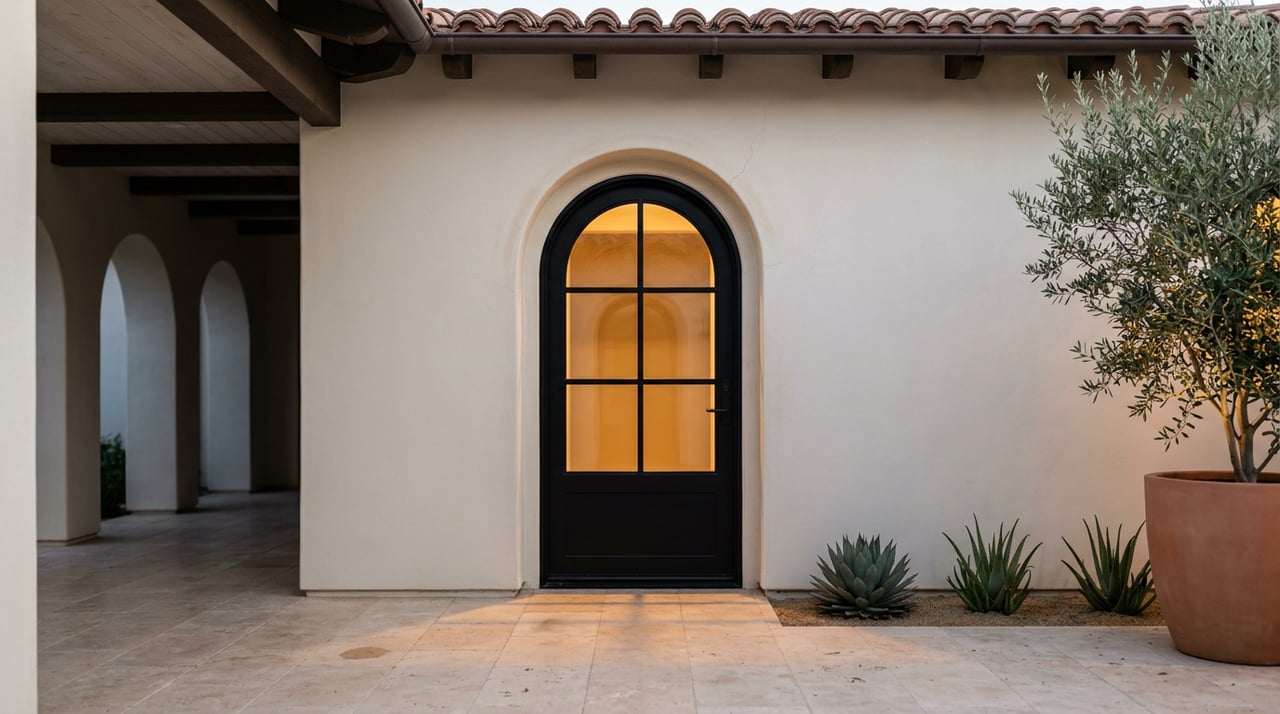
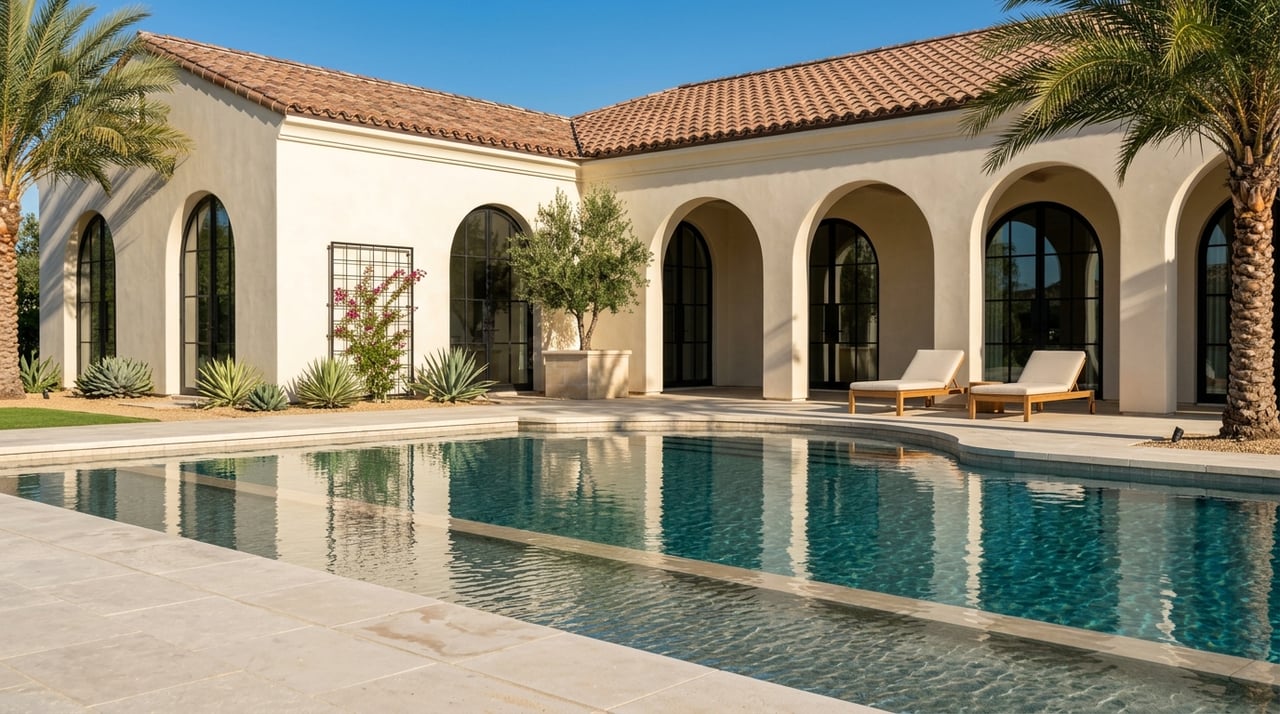
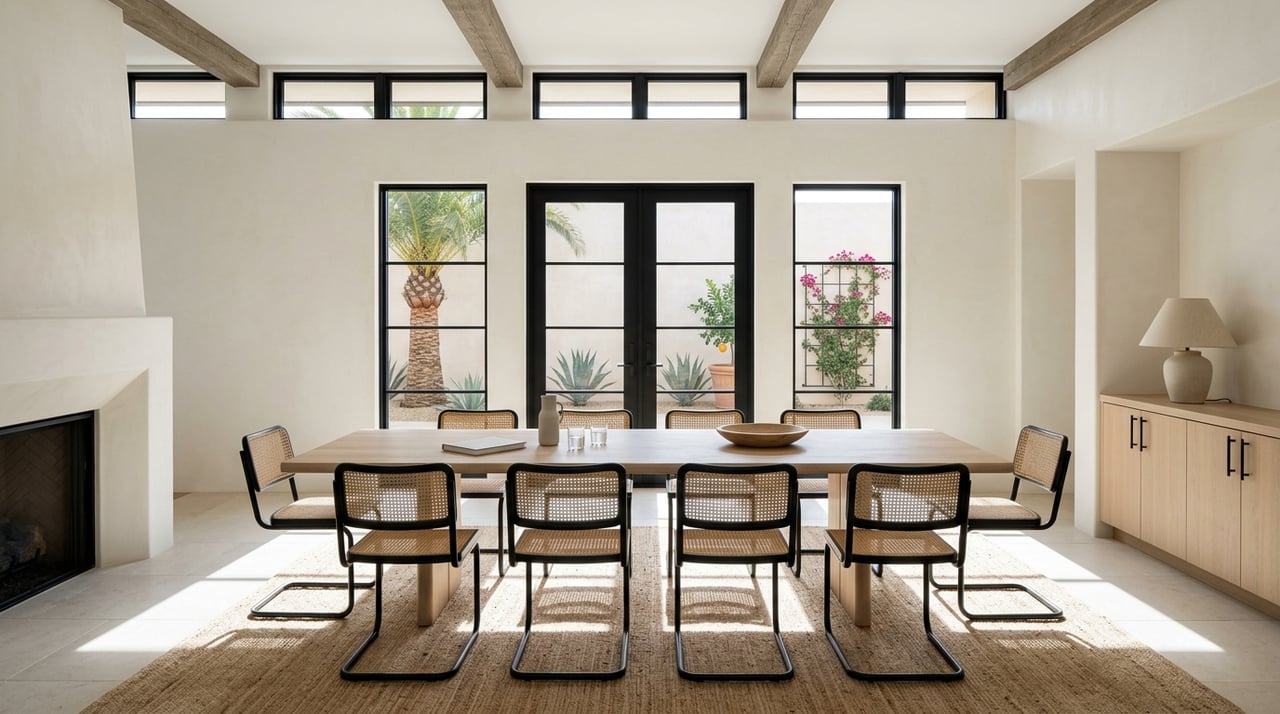
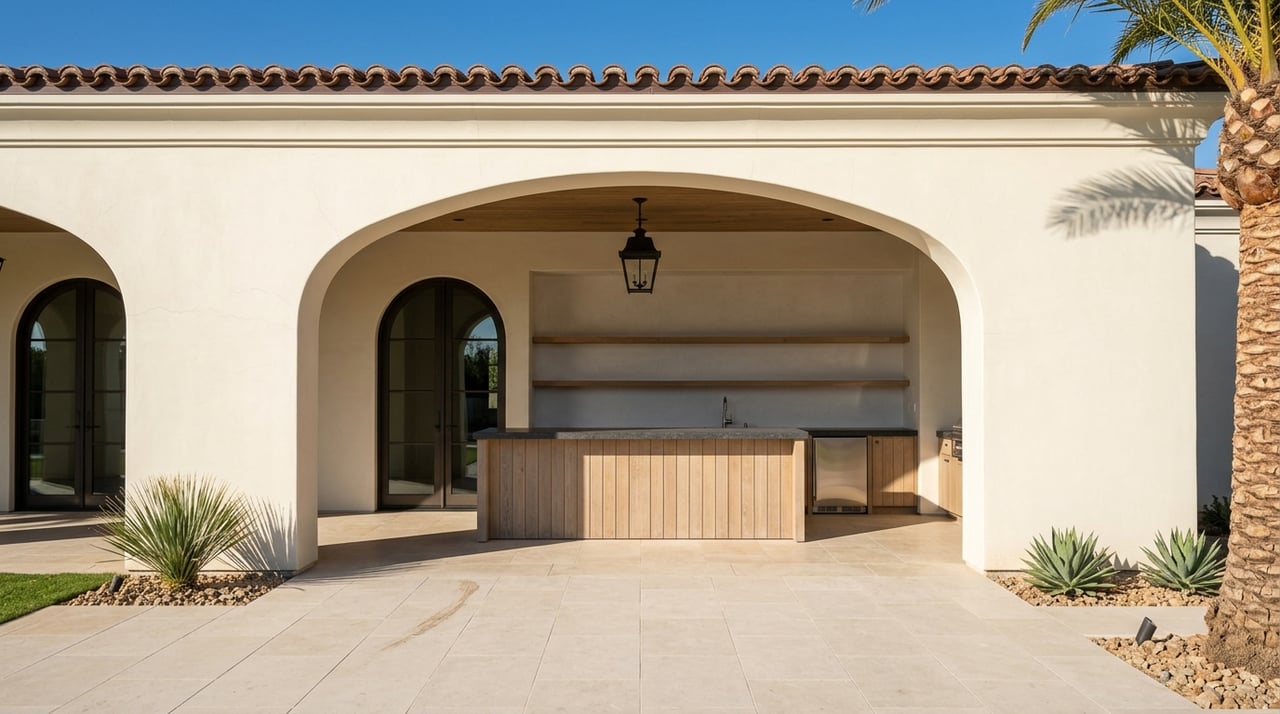
Cavallo Ranch reflects many of the features production teams look for when they need a private desert estate that works as well as it photographs. According to a property announcement on PR Newswire, the gated estate spans 20 acres in the Coachella Valley and centers on an 8,500-square-foot villa with eight bedrooms. The property also includes a pool, freshwater lake, polo field, barn, sports courts, and outdoor kitchen and bar.
Those features matter because they create multiple visual zones and flexible support areas across one controlled site. Just as important, Cavallo Ranch is built around concierge-led hospitality and curated on-site experiences, which supports the kind of logistical simplicity that production teams, brand partners, and event planners value.
For you, that means fewer compromises between aesthetics and operations. A property with privacy, space, and built-in hospitality can support not only the shoot itself, but also the pace, comfort, and discretion that high-touch productions often require.
Your Scout Checklist
When you are narrowing down a Riverside County estate, these are the questions worth answering before the tech scout:
- Can the property support on-site power, or is a generator plan required?
- Is there enough room for parking, staging, and safe vehicle circulation?
- Are there separate areas for holding, wardrobe, makeup, meals, and client review?
- Is the sound environment manageable in real desert conditions?
- What is the plan for shade, hydration, and crew comfort in high heat?
- Which permits, insurance requirements, and notifications apply to the specific address?
- Can the property provide a site map, access diagram, and clear owner authorization quickly?
A truly production-ready desert estate is one that lowers stress before, during, and after the shoot day. In Riverside County, the strongest locations pair the right look with the right infrastructure.
If you are planning a shoot, brand activation, private event, or multi-day stay and want a desert estate designed to simplify logistics without sacrificing atmosphere, explore Cavallo Ranch and request availability.
FAQs
What makes a desert estate production-ready in Riverside County?
- A production-ready desert estate combines visual appeal with practical support for power, parking, crew areas, sound control, heat management, and permit coordination.
Do Riverside County productions need more than one film permit?
- Yes. According to the Greater Palm Springs Film Office, some productions may need permits from more than one city or agency depending on the location.
How hot does the Coachella Valley get for summer productions?
- NOAA normals for Palm Springs Regional Airport show average maximum temperatures of 108.6°F in July and 108.1°F in August, so shade, water, and cooling plans are important.
Why does parking matter when scouting a private estate for filming?
- Parking affects truck access, load-in speed, crew flow, and neighborhood impact. Even a visually strong property can become difficult if vehicles cannot enter, stage, and exit smoothly.
What permit timing should you expect for filming in Palm Desert or nearby areas?
- Palm Desert says film permit applications should be submitted at least five business days in advance, while some unincorporated Riverside County permits may take about 2 weeks to process.
Why is Cavallo Ranch a strong fit for branded shoots and activations?
- Cavallo Ranch offers a large gated footprint, multiple visual settings, and concierge-led on-site support, which can help keep production logistics contained on one private estate.