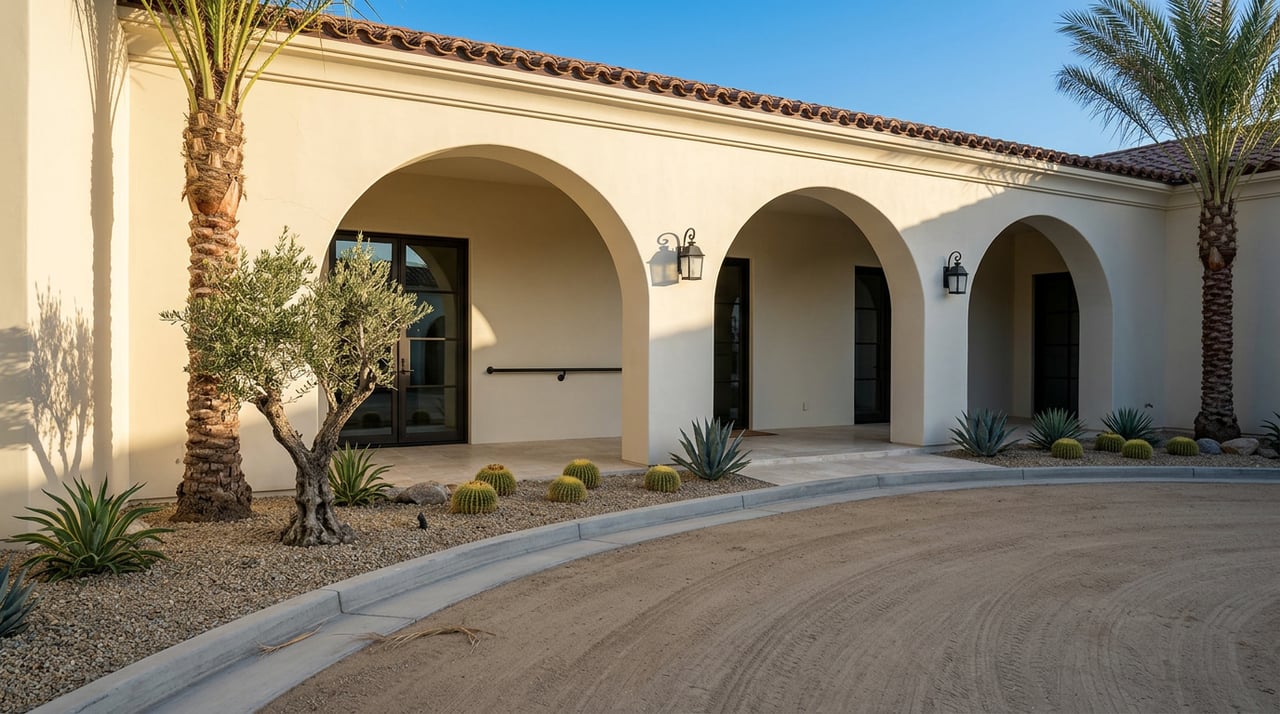
If you are hosting a brand team, VIP guests, or a production crew during Coachella and Stagecoach, the window is tight and the stakes are high. Inventory, traffic, and permits all compress around those April weekends, which can turn small oversights into big problems. With the right Riverside County estate and a smart plan, you can create a private home base that runs smoothly from first arrival to final checkout. This guide shows you how to pick the right property, secure approvals, design site logistics, and move people efficiently when the valley is at full tilt. Let’s dive in.
Festival timing and demand
Coachella unfolds over two weekends in mid April, followed by Stagecoach the next weekend at the same Empire Polo Club in Indio. The 2026 dates were April 10–12 and April 17–19 for Coachella, with Stagecoach on April 24–26. You can confirm current timing on the promoter’s page at Goldenvoice. These back-to-back weekends drive intense demand for private lodging, hospitality activations, and day-use spaces, which also tightens vendor availability and review windows.
Choose the right estate
Capacity and lodging
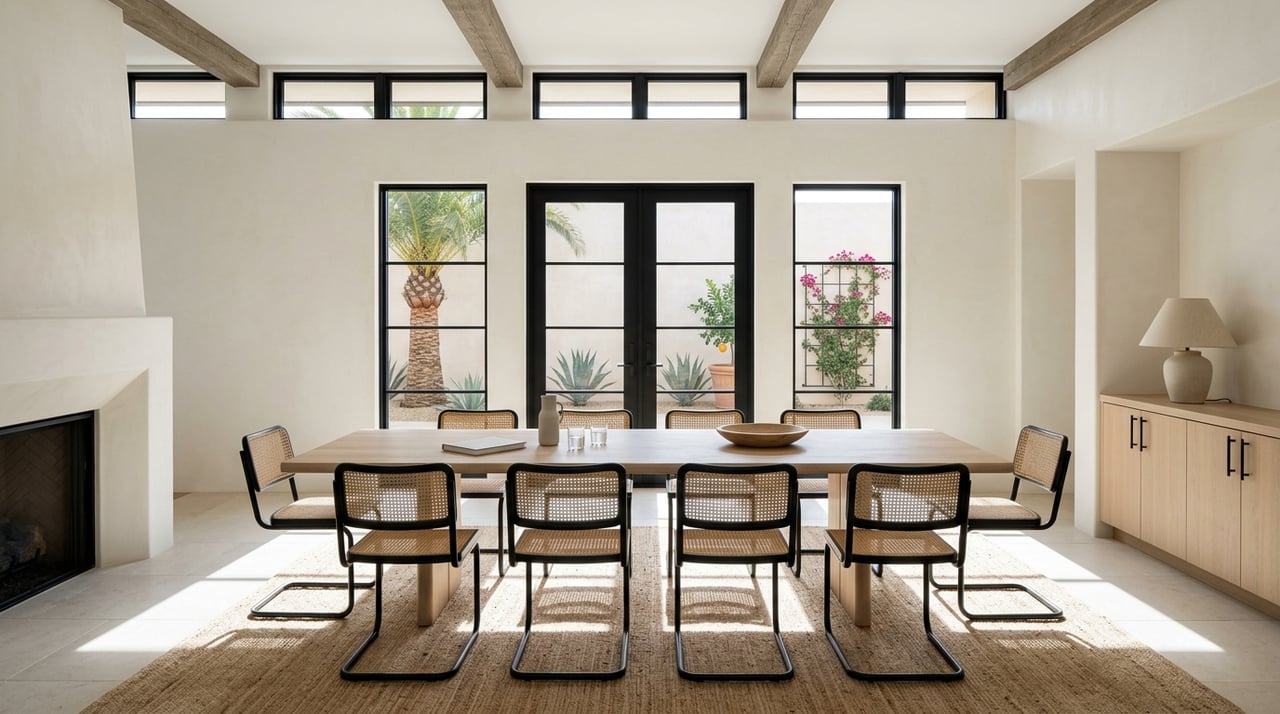
Start with verified sleeping capacity, not assumptions. Use documented bedroom and guest counts for on-site lodging, then plan overflow with hotel blocks or off-site rentals. If you expect more than 100 people on the property at any point, treat the gathering like an event rather than a simple residential stay and confirm occupancy rules with your venue manager. A purpose-managed estate with event history will help you right-size attendance and circulation.
Infrastructure that saves time
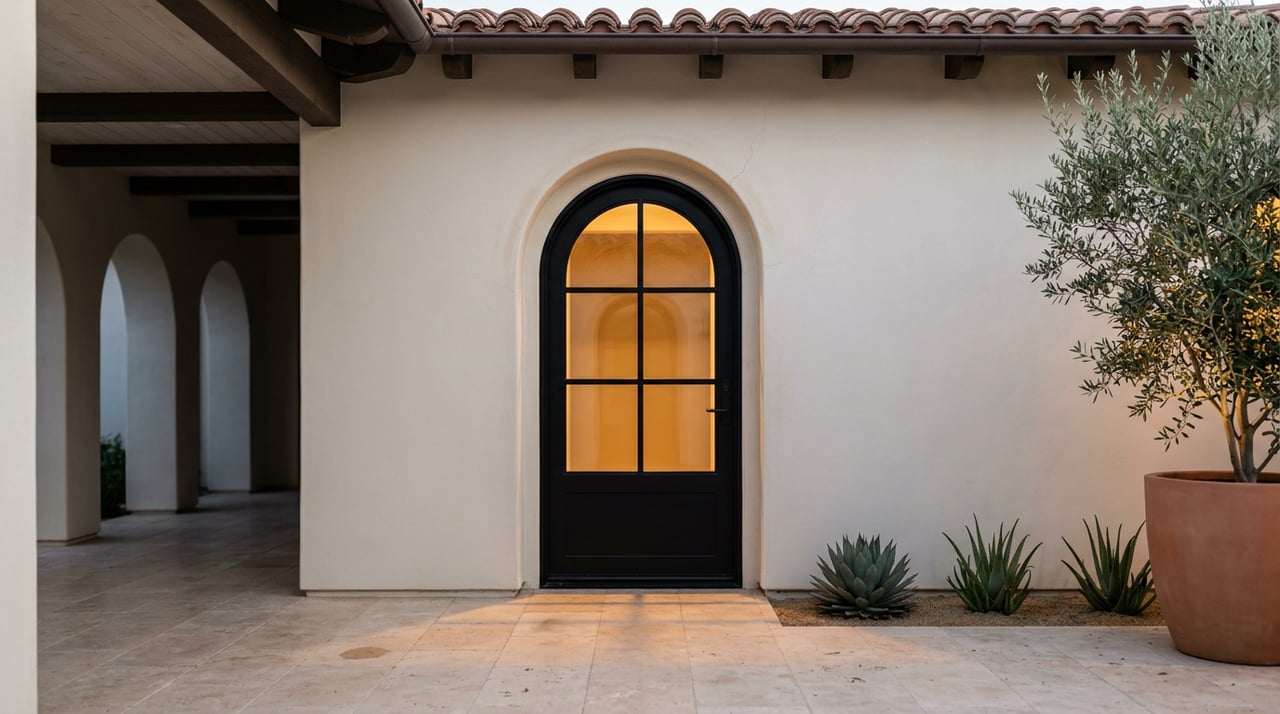
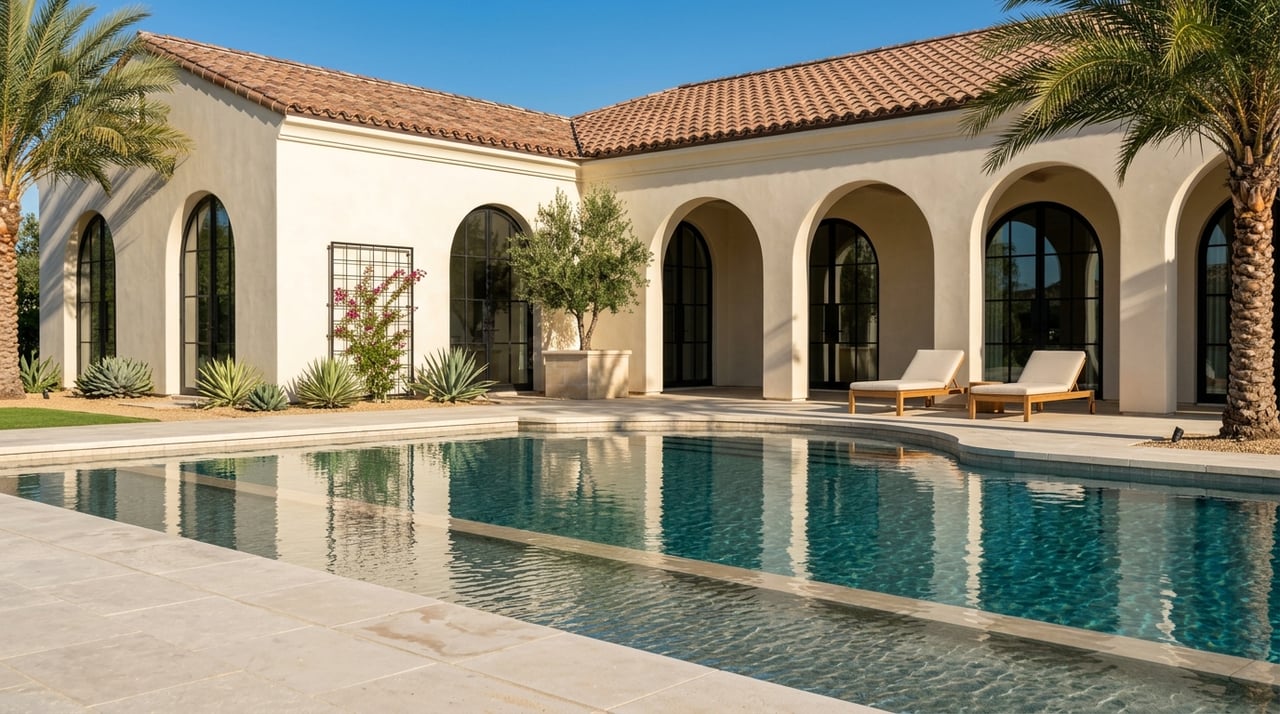
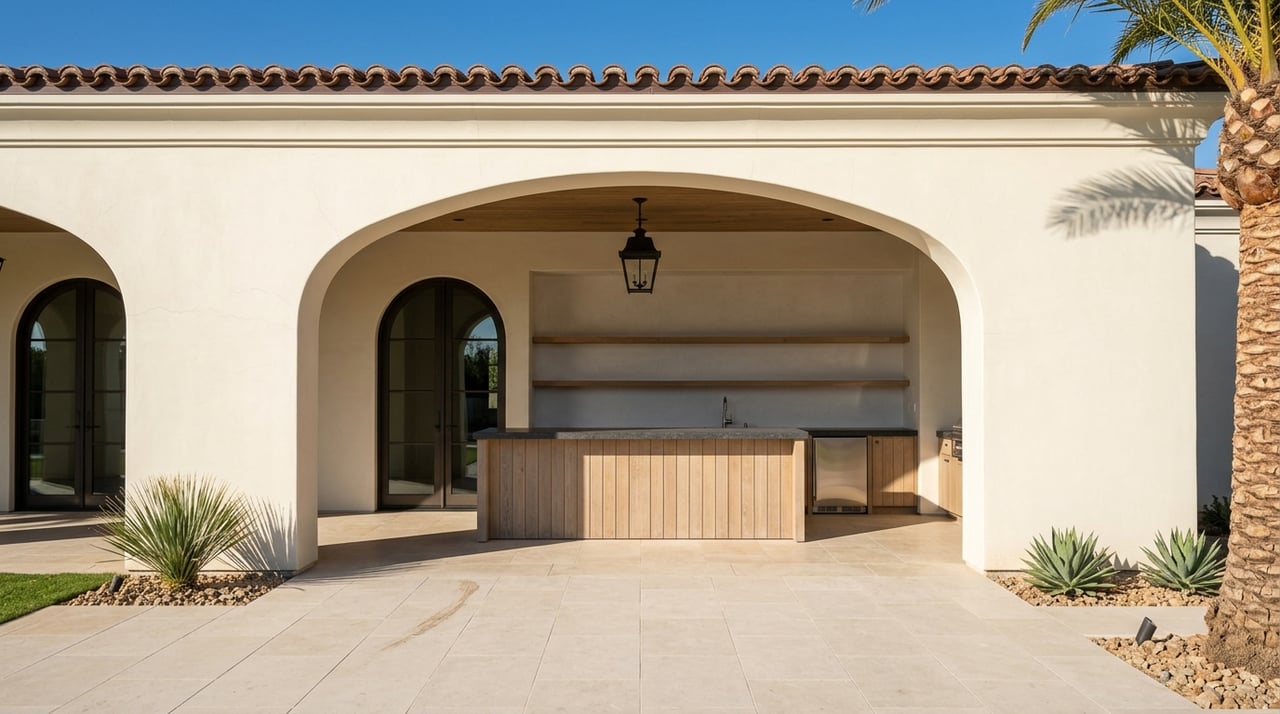
Properties that already operate as venues shorten the setup curve. Permanent catering prep areas, production-ready power, defined staging zones, and experienced staff reduce the number of outside vendors you must coordinate. As a benchmark, estates like Cavallo Ranch in Thermal blend boutique-hotel service with venue-grade operations, which simplifies multi-day activations and large group stays. See what a production-ready private estate typically offers in this planning overview.
STR rules vs event venues
If you are considering a vacation rental, do not assume a short-term rental certificate covers event use. Riverside County’s STR program clearly states that STR registration does not authorize commercial events, weddings, or large parties. Event-scale activity requires separate approvals. Review the county’s Short-Term Rental rules early and plan the correct permit path for your activation.
Permits and approvals
Temporary Use Permits and tiers
Many estates in the festival zone fall under Riverside County Planning. Temporary Use Permits route through the county’s Transportation and Land Management Agency, which uses deposit-based fees and routes reviews to other departments. Expect different initial deposits for Minor Temporary Events under 500 people and larger tiers at or above 500. Confirm the latest deposit levels and timelines on the county’s fee schedule and map your tasks against the county’s review flowcharts.
Food service and health inspections
If you plan large-scale food service, coordinate with the venue and Riverside County Department of Environmental Health for temporary food permits and inspections. City guidance in the region directs organizers to the county for health approvals and to the California ABC for alcohol authorization. Use the Temecula reference page as a helpful model for required routing and forms for temporary-use permits, health, and ABC contacts.
Fire, tents, generators
Tents, membrane structures, open flame, and generator installations trigger fire-marshal review. Plan to provide flame-resistance documents, engineered anchoring, clear fire lanes, and a fire watch or standby services if required by your permit. Riverside County’s public safety agencies regularly support large events, so start fire review conversations early and align your layouts with the authorities’ inspection checklist.
Alcohol service and liability
Ticketed or public-facing events with on-site alcohol typically require a temporary authorization through the California ABC, and venues often require liquor liability coverage. Private, invite-only events may also need documentation. Use your caterer or bar vendor’s license structure, then confirm who holds the authorization and insurance. For practical routing context, see the city-level guidance that points to ABC from the temporary-use permits page.
Site logistics that make or break
Parking, shuttles, and traffic plan
On a multi-acre estate, you can stage parking, shuttle loading, and vendor load-in on site, which reduces neighborhood impact. Your TUP submittal may require a circulation diagram that shows ingress and egress, staff marshals, and a signed rideshare area set back from the public road. If you propose any on-street staging or temporary signage, expect to coordinate with public works and request encroachment permissions. The county’s review flowcharts show how traffic plans route through the process.
Power and production
Ask the estate for panel specs and generator rules, then design a power schedule before you lock vendors. If your activation includes large sound or lighting rigs, confirm whether temporary metering upgrades or a licensed electrician’s permit is required. Properties built for production, like venue-grade estates, help vendors move faster and reduce last-minute changes. For a sense of what that readiness looks like, review this estate operations primer.
Sanitation, water, and waste
Public-health guidance emphasizes plentiful handwashing and well-serviced restrooms. Place portable toilets near activity hubs, include ADA-accessible units, and add handwash stations at food points. Build nightly servicing and pump-outs into your contracts for multi-day events. For planning baselines on handwashing and restroom servicing, review the CDC’s event sanitation guidance here.
Security and medical readiness
Size your security by access points, guest profile, and production complexity. A layered plan often works best: perimeter credential checks, a controlled main gate, interior rovers, and a small executive-protection element for VIPs. If your permit or risk profile calls for it, plan for off-duty law enforcement for traffic control and EMS standby. For practical staffing heuristics, see this industry security planning guide.
Noise, neighbors, and communication
Document your amplified-sound schedule and curfews, and prepare a written neighbor notice with a 24/7 operations phone line. Many permits require explicit sound limits and a complaint-resolution plan. Include these elements in your site packet and ensure the field team has authority to adjust volume or shut down a source quickly. Use the county’s process maps to align your documentation with reviewer expectations.
Transportation for peak weekends
Airports and regional access
The Empire Polo Club is roughly 20 to 25 miles southeast of Palm Springs International Airport, which makes PSP the most time-efficient arrival point for many groups. Ontario and LAX are also viable with coordinated shuttles. Plan air and ground transport early because inventory tightens around festival weekends. You can confirm event context on Goldenvoice’s festival page.
Rideshare and shuttle staging
Designate a single, signed pickup and drop-off zone on the estate that keeps cars off the public roadway. Build staging lanes for shuttle fleets, set defined service windows, and staff the zone with marshals. If any plan touches the public right-of-way, follow city or county temporary-use guidance and request any needed encroachment permissions using the same contacts referenced on the temporary-use permits page.
Coordinate with citywide traffic controls
During festival peaks, the host city and county deploy temporary signals, designated lanes, and robust traffic-control staffing. Your shuttle timing and vendor windows should fit that larger plan to avoid bottlenecks. For context on how regions manage these surges, review the planning case study on large festival traffic operations from the American Planning Association here.
Timeline to stay ahead
- 12+ months out: Secure the estate hold and outline scope. Contact top vendors for production, security, sanitation, and generators during their busiest season. Purpose-built estates can shorten this list and start you ahead. For context on venue readiness, see the estate capabilities overview.
- 90–120 days: Begin permit intake for a Temporary Use Permit or Major Temporary Event if your plan includes tents, utilities, larger crowds, or any road impacts. Review deposits and routing on the county fee schedule and align your submission with the review flowcharts.
- 30–60 days: Schedule inspections with the fire marshal and environmental health, finalize ABC arrangements for alcohol service, complete your shuttle plan, and send neighbor notices. City guidance in the region suggests many minor TUPs require at least 30 days for intake, as outlined on the temporary-use permits page.
- 7–14 days: Lock your staffing rosters and vendor manifests, confirm the emergency plan, and publish guest access instructions with the 24/7 ops phone.
Quick planning checklist
- Permits and approvals: TUP, encroachment if you use the public right-of-way, electrical or building permits for temporary power, fire-marshal tent approvals, environmental health permits for food service, and ABC authorization if serving alcohol.
- Insurance: General liability to venue requirements, additional insured endorsements, liquor liability if applicable, and vendor COIs with indemnities that match venue terms.
- Infrastructure: Power schedule and generator plan, potable water access, restroom counts with ADA units, handwashing at food points, and contracted servicing for multi-day use. Build in recycling and waste hauling.
- Staffing: Concierge-style hospitality, credentialing and perimeter security, production crew load-in and load-out windows, medical or EMS standby as needed, and trained shuttle marshals for the pickup zone.
- Communications: Clear arrival instructions, credential details, guest conduct notes, a 24/7 operations phone, and a documented neighbor-outreach plan with a local contact.
Where an estate like Cavallo Ranch fits
A venue-grade estate can turn a complex festival week into a streamlined private-resort experience. With on-site concierge support, culinary capabilities, and production-friendly grounds, you can keep VIP lodging, hospitality, and operations in one place. If you want the simplicity of a single, secured address with service to match, explore how the right estate partner can anchor your plan.
Ready to map dates and scope to a property that is built for it? Plan your stay or request event availability with Cavallo Ranch.
FAQs
What permits do I need for a festival-week event at a Riverside County estate?
- Most estate activations require a Temporary Use Permit, with additional approvals for tents, generators, food service, and alcohol; use the county fee schedule and review flowcharts to confirm routing.
How early should I start a Temporary Use Permit in Riverside County?
- Begin 60 to 120 days out for events with tents, utilities, or large attendance, and allow more time for multi-site or major events; some minor TUP paths request at least 30 days as noted on the temporary-use page.
Can I host a large gathering at a short-term rental during Coachella?
- Do not assume STR registration covers events; Riverside County states STR certificates do not authorize commercial events or large parties without separate permits, as outlined in the STR program rules.
What are the restroom and handwashing basics for a private estate event?
- Provide enough restrooms near activity hubs, include ADA units, and place handwash stations at food areas; for baselines and servicing guidance, see the CDC’s event sanitation brief.
What security staffing model works best for VIP estate operations?
- Use a layered approach with perimeter checks, a controlled main gate, interior rovers, and executive protection as needed; see this security guide for useful ratios and planning tips.
Which airport is most convenient for Coachella and Stagecoach travel?
- Palm Springs International (PSP) is roughly 20 to 25 miles from the Empire Polo Club and is typically the quickest option, with Ontario and LAX as alternates; for festival context, check Goldenvoice.